Your own health, malaria, food, water and what happens if something goes wrong.
Expedition guides are trained in remote-area first aid and carry a satellite phone, but they are not doctors, and help is not close. Treat the medical side of preparation as seriously as the fitness side.
See your doctor as early as possible, ideally before you start training. Talk through your fitness for prolonged exercise in tropical heat, any pre-existing conditions, immunisations and anti-malarials. Tell your expedition guide about any allergy, injury or medical condition early. It stays confidential and lets the team plan for you.

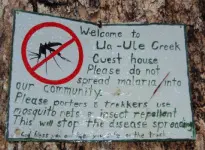
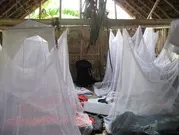
Malaria is one of the most serious health risks in PNG. Most cases involve people who didn't take their medication as prescribed, and most deaths follow a delayed diagnosis. Tell your doctor you are going to PNG, trekking the Owen Stanley Range, and follow the prescription exactly, including the days before and after the trip.


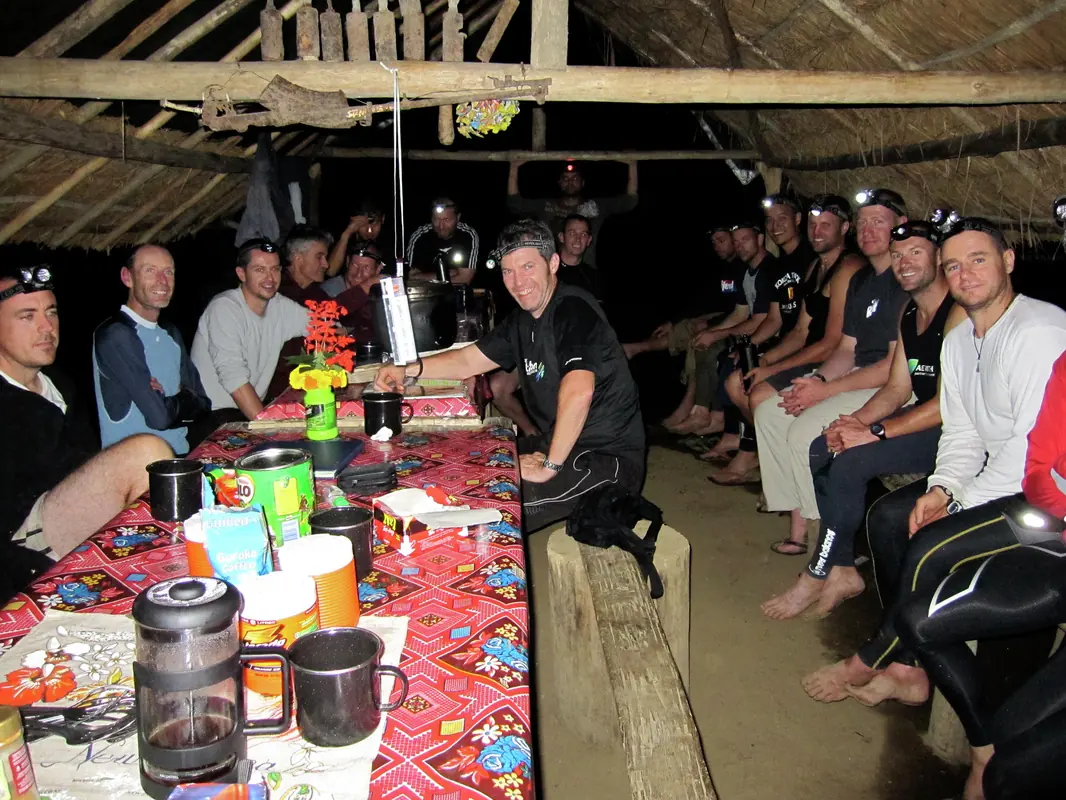
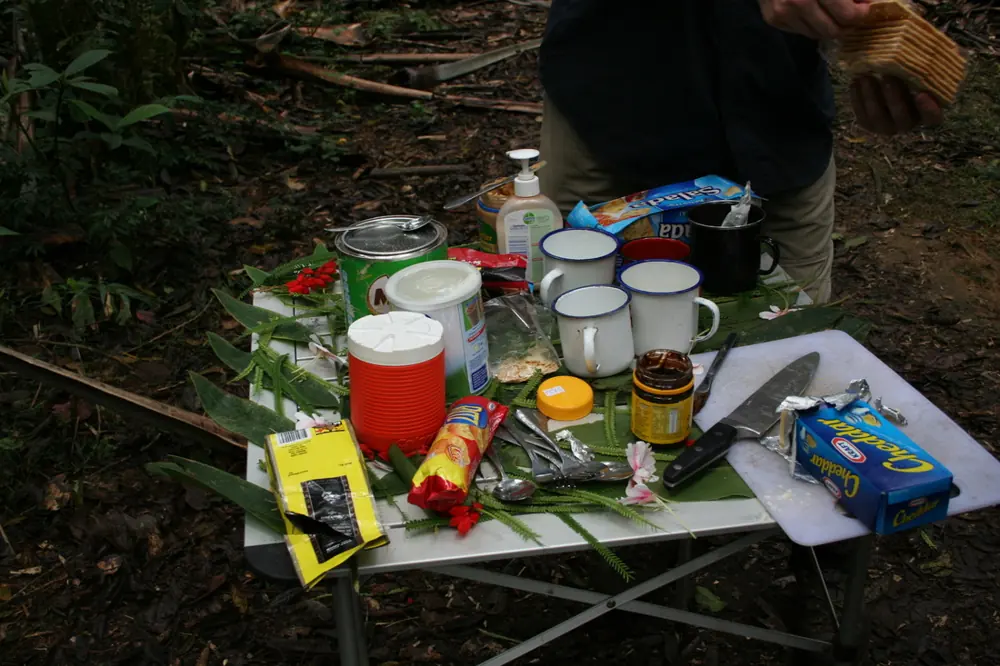
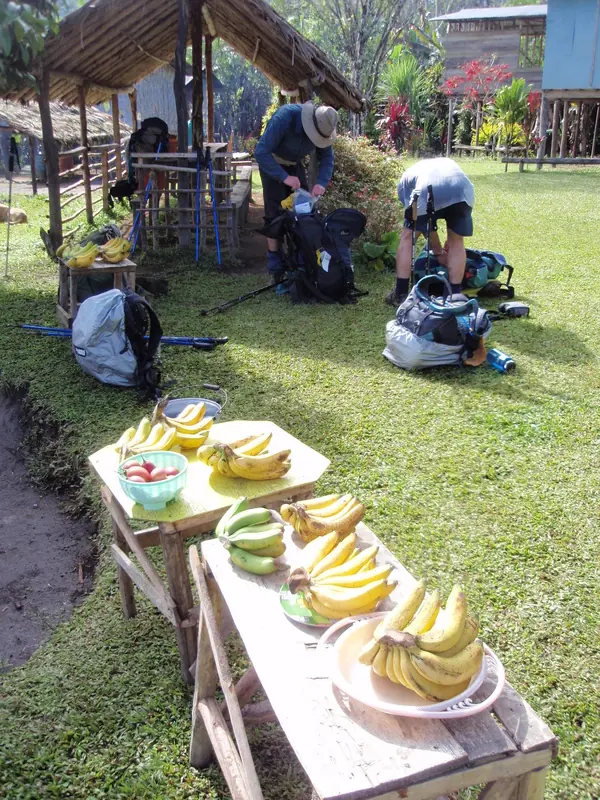
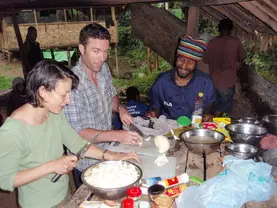
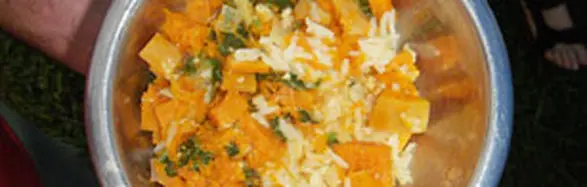
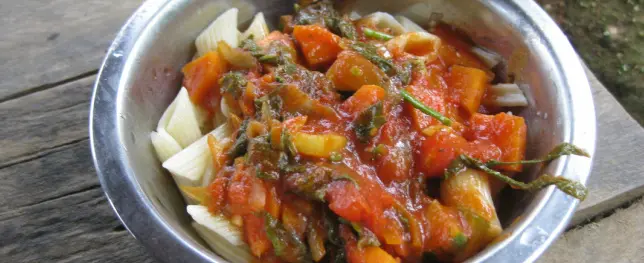
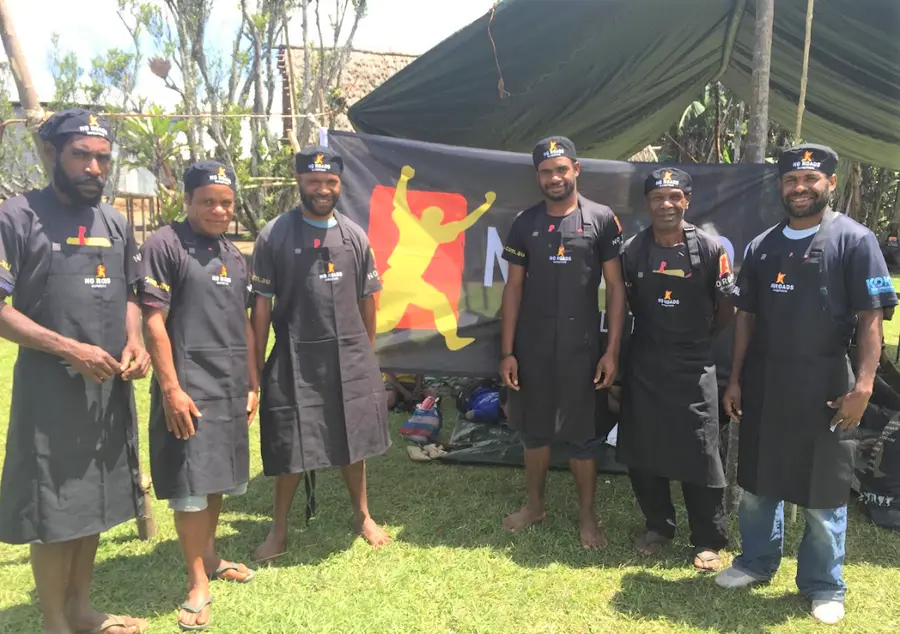
Camp meals are cooked fresh by the guide team, with local produce where it is available: curries, pastas, damper, fried rice and more, with porridge or cereal for breakfast. Dietary needs and allergies can usually be catered for if you tell the office in advance.
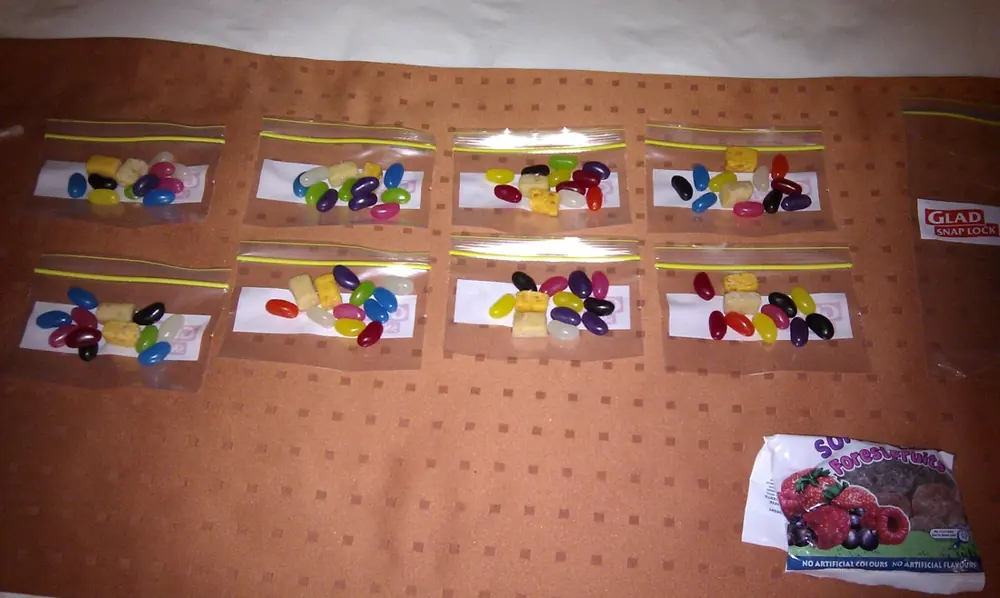
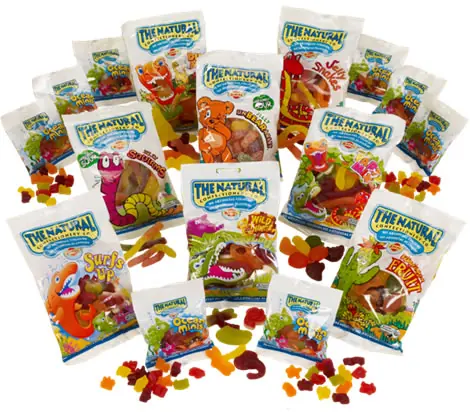
You will also receive a snack pack of soups, muesli bars, lollies and electrolyte powder for the days between meals. Repack it into daily portions at the hotel, keep the original packaging for customs, and watch the weight of any extras (chocolate melts).
Appetite can change in heat and fatigue. Eat even when you don't feel like it, and keep sugary snacks handy for the long climbs.


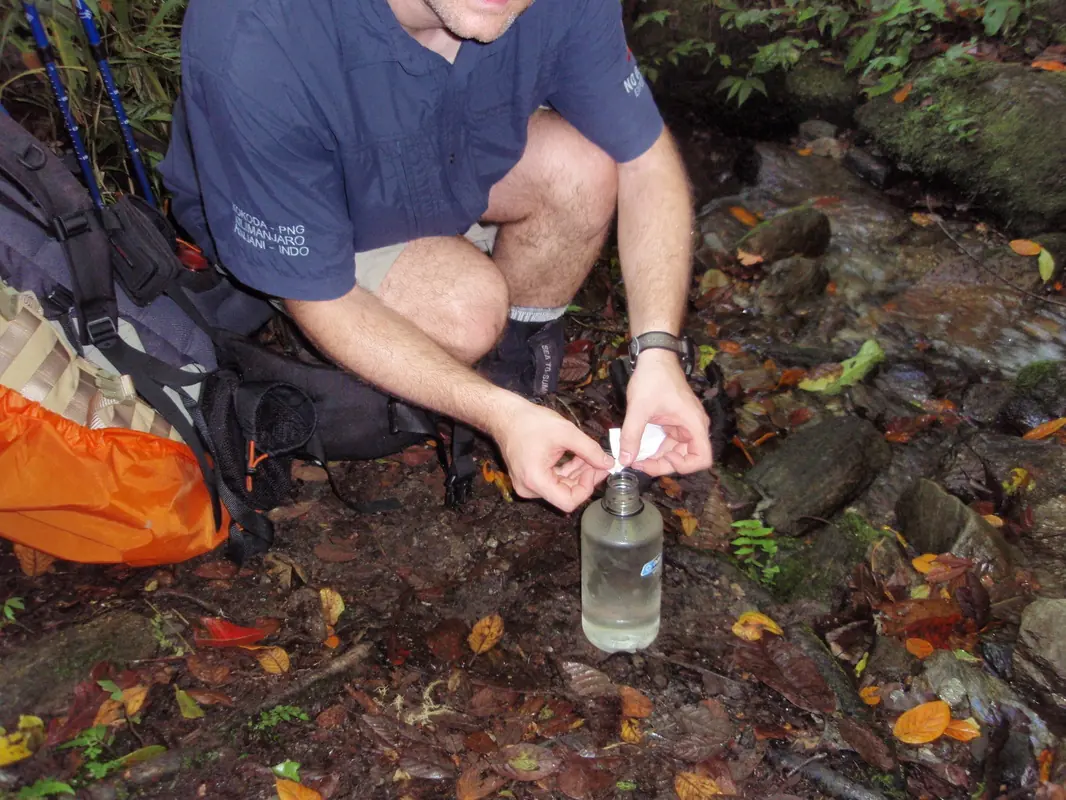
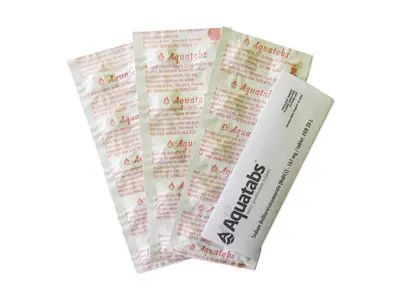
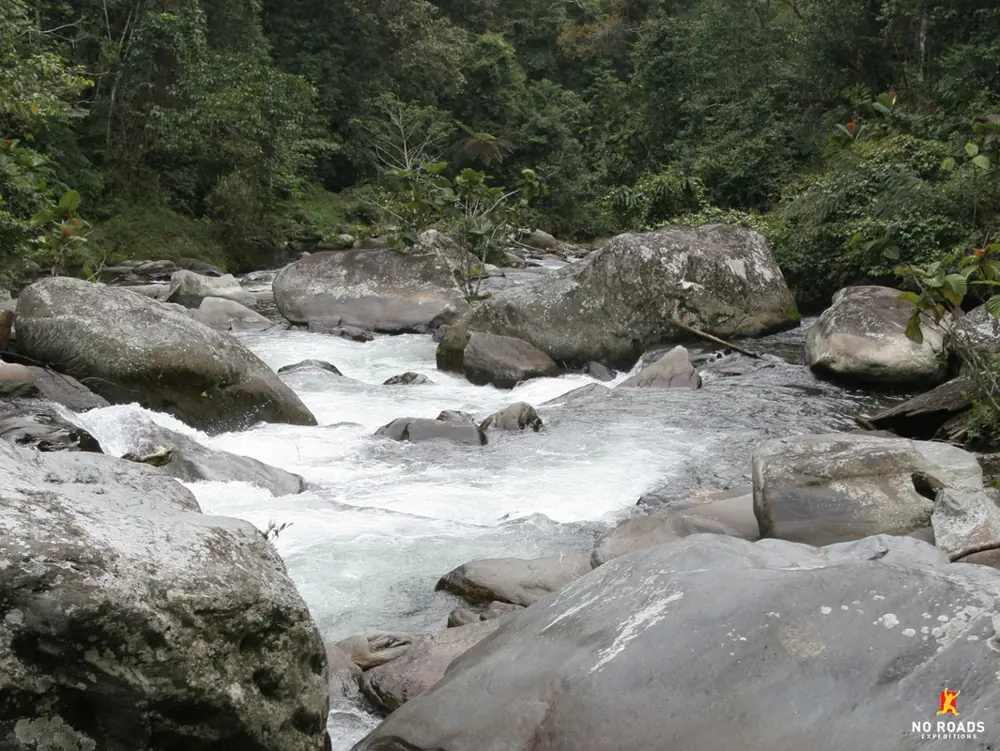
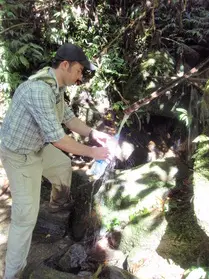
Many creeks run clear, but always treat your drinking water, whether with purification tablets or a UV pen, even if the water looks clean and locals are drinking it. Carry tablets as a backup for any device. Use a bladder with a bite-valve cover, and avoid letting the mouthpiece touch the ground.
Stomach bugs are the biggest day-to-day health risk. Use hand sanitiser at every toilet stop and before eating, and don't share food or sweets. Avoid fruit that isn't in its original skin unless the guides have prepared it.


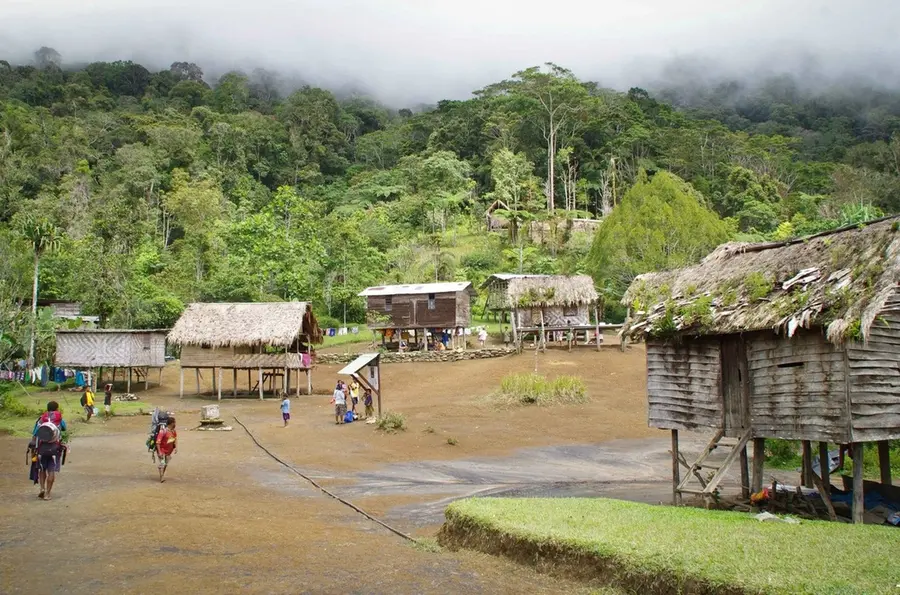
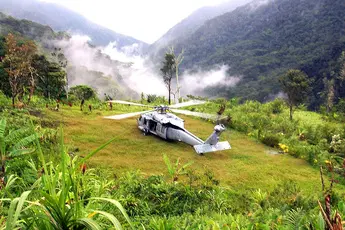
Evacuation from the Track is not like evacuating from a well-roaded national park. Landing zones are limited, aircraft come from Port Moresby, and cloud or rain can ground them. The guide calls your insurer first, and the insurer has the final say. Meanwhile the local team build stretchers and carry the patient to the nearest suitable landing point or village.
Minor injuries such as blisters and scratches are managed by trekkers with their own first-aid kits. Tiredness is not an evacuation reason: you will finish. This is exactly why the right insurance, an honest medical declaration and good preparation matter so much. See travel insurance.