Preparation guide · 6 of 8

Before you fly

Final preparations, getting to Port Moresby and the night before the Track.

The last week

Final preparations

Nerves are normal. Ask questions, no matter how small: your expedition guide and the No Roads office would much rather hear them now.

  • Begin anti-malarials as your doctor directs, and carry all prescription medicines for the full trip.
  • Cut your toenails a few days ahead (not too short) to protect your socks and toes on the descents.
  • Taper training in the final days. Keep your diet sensible and avoid higher-risk foods.
  • Do a final gear check against the checklist, and wear your boots on the flight with trek clothing and sleeping bag in hand luggage if you can.
  • Send flight details, insurance and emergency contacts to the office if you haven't already.
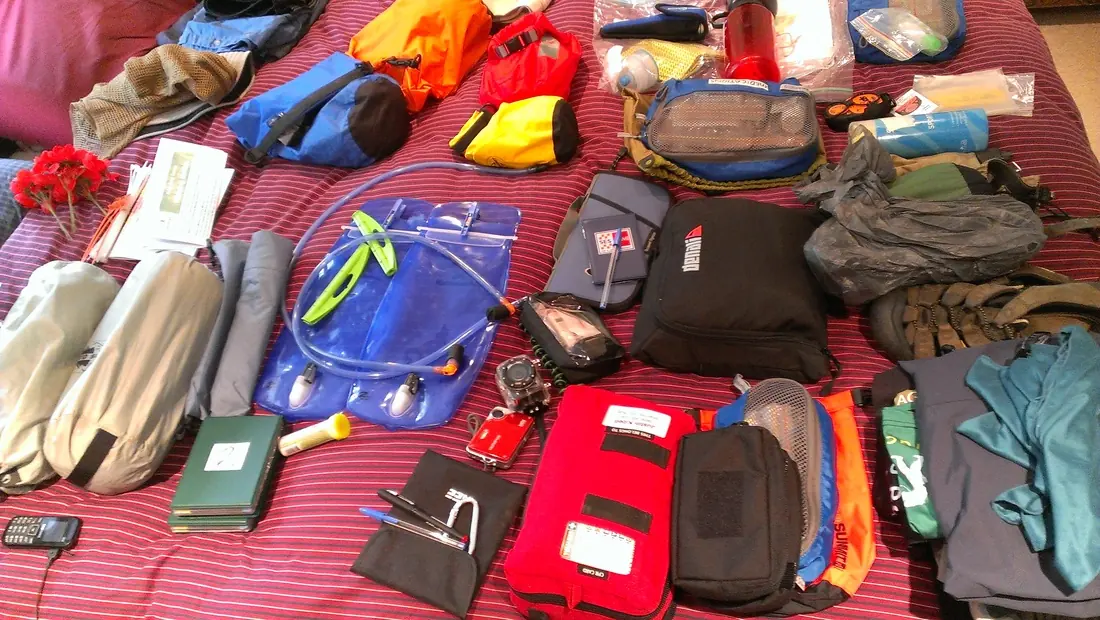
Trekking gear laid out ready for packing
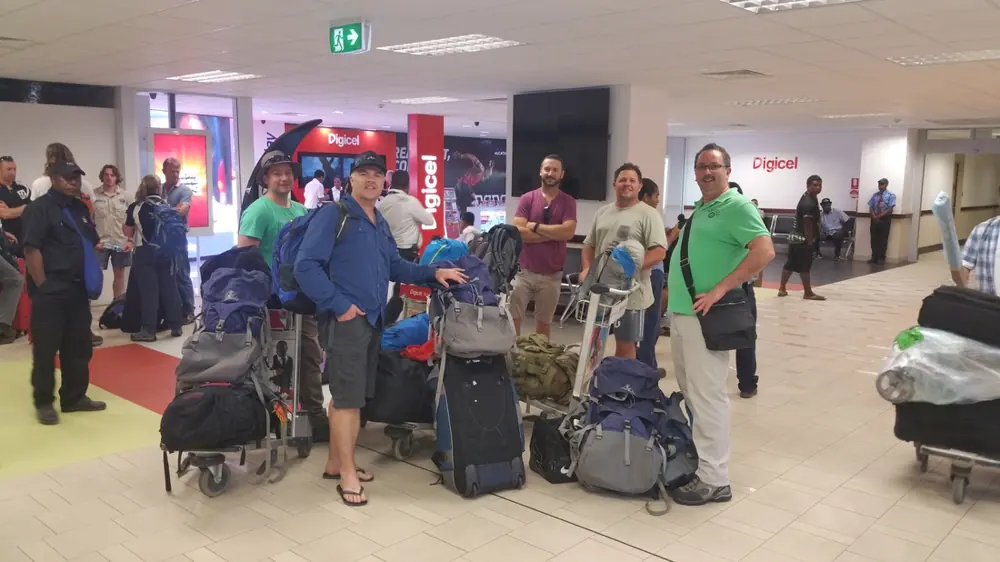
Trekking group at the airport
Arrival

Travelling to PNG

You'll be met at Jacksons International Airport by No Roads staff and transferred to your hotel. PNG quarantine rules stop fruit and vegetables entering the country, and clean boots and gear are checked on the way in and out, so declare food and keep it in original packaging.

Domestic flights to Kokoda (or via Popondetta) use small aircraft with a luggage limit of about 12 kg, so your pack weight matters. Delays caused by weather are normal and your guide handles the bookings.

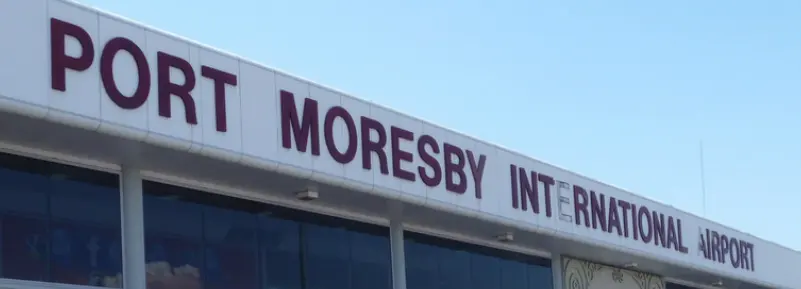
Port Moresby International Airport sign
Port Moresby airport
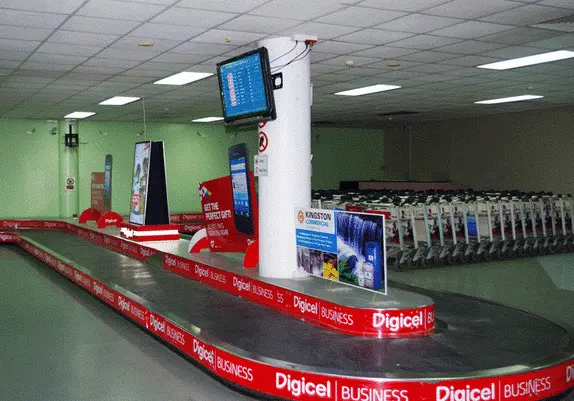
Baggage hall
Baggage hall
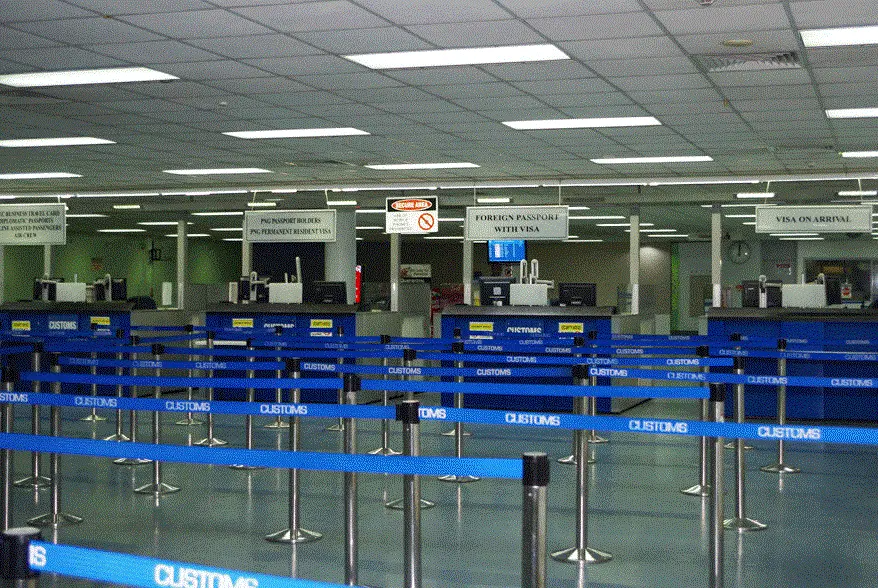
Check-in and queue area
Check-in area
Know before you go

About Port Moresby and Papua New Guinea

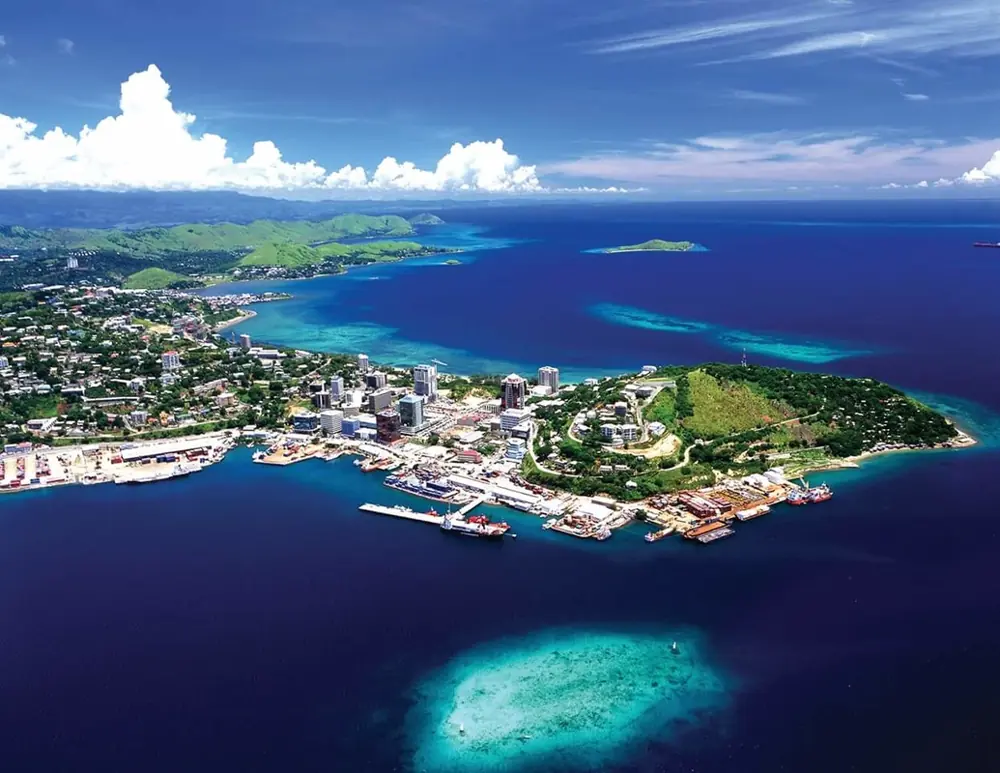
Port Moresby is the capital, a busy and sometimes challenging city. For safety, trekkers stay within the hotel compound and move only with the No Roads team. Your guides will explain the rules on arrival, and following them keeps everyone safe.

PNG is one of the most culturally diverse countries on earth, with hundreds of languages. English and Tok Pisin are widely spoken. Learning a few words of Tok Pisin delights the local team. It is hot, humid and tropical at sea level, and cool at altitude on the Track.

View over Port Moresby
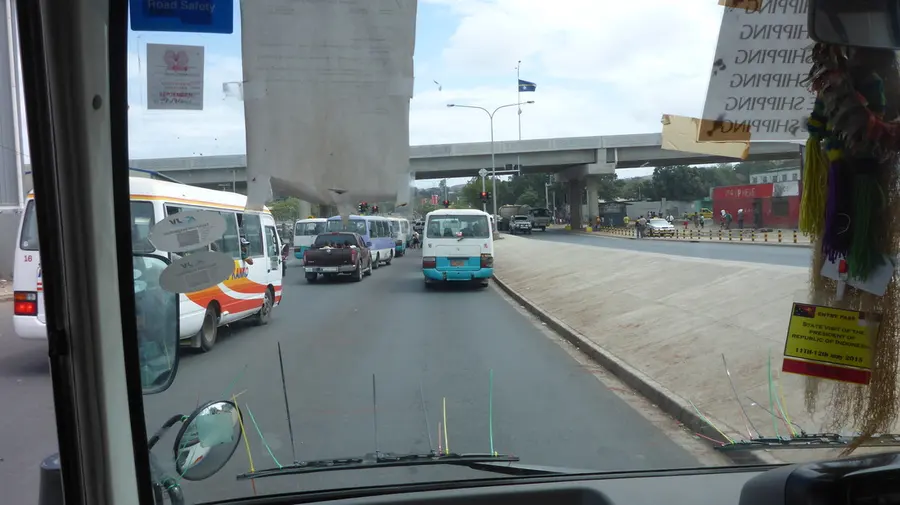
Road in Port Moresby
Port Moresby road
Traditional mask
Traditional mask
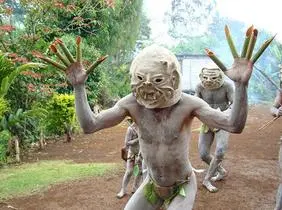
Traditional performers
Local culture
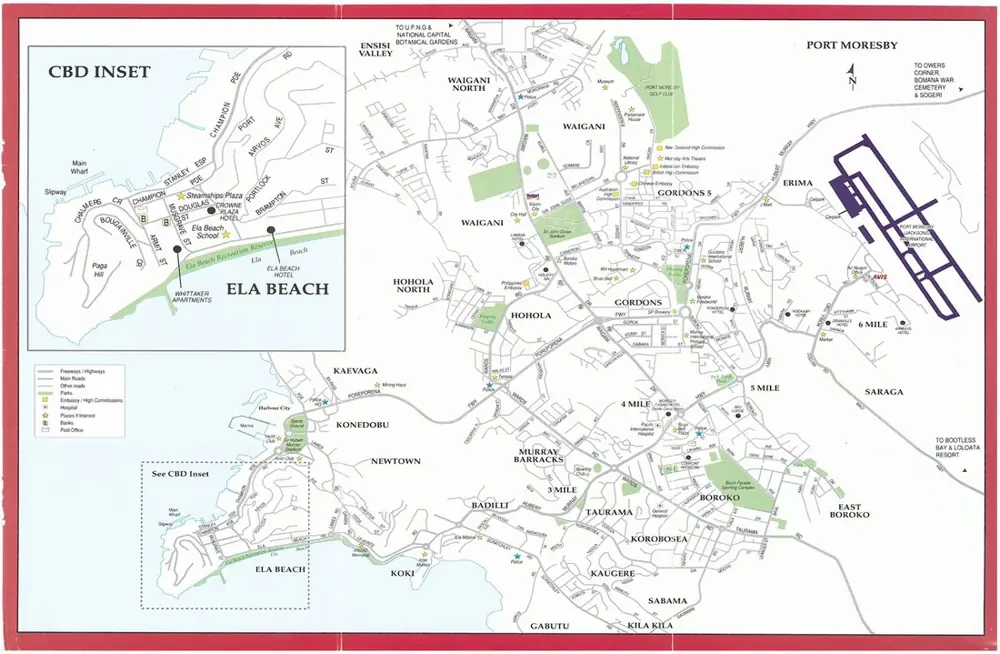
Street map of Port Moresby
Port Moresby street map.
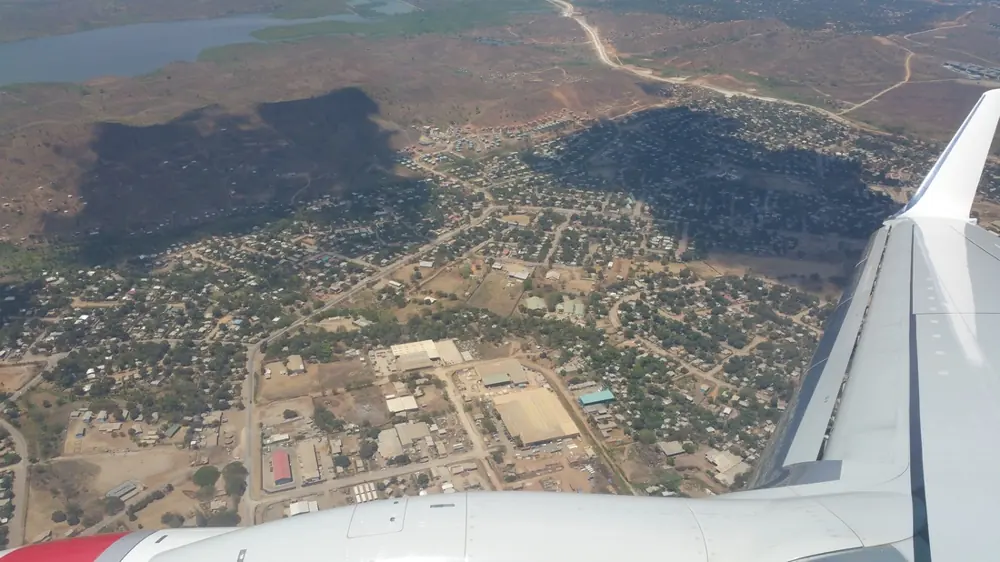
Hills around Port Moresby from the air
Coming in to land.
Where you'll stay

The hotel in Port Moresby

The night before and after the trek is spent in a secure hotel with pool, restaurant and bar. It is a good place to repack, rest and meet your group. You can store non-trek luggage in a secure room at the hotel while you are on the Track. Hotel and arrangement can vary by departure, so check your trip notes.

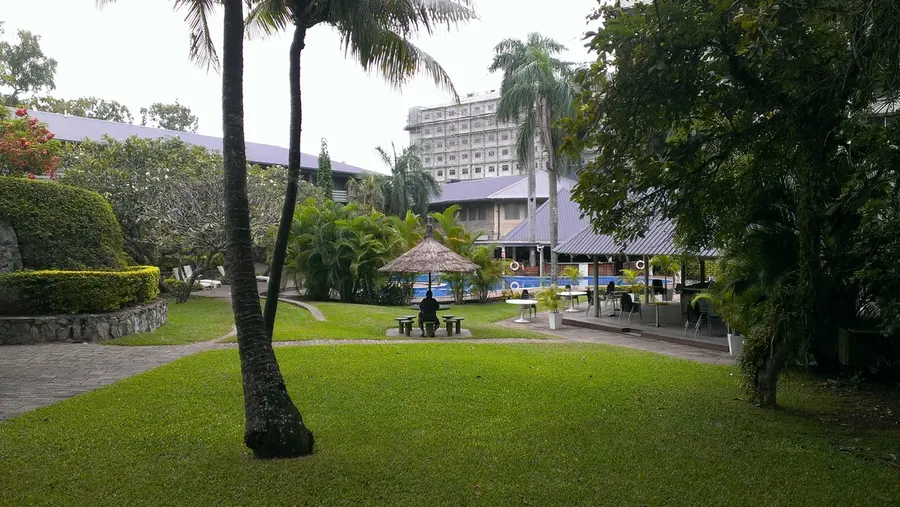
Hotel grounds
Hotel grounds
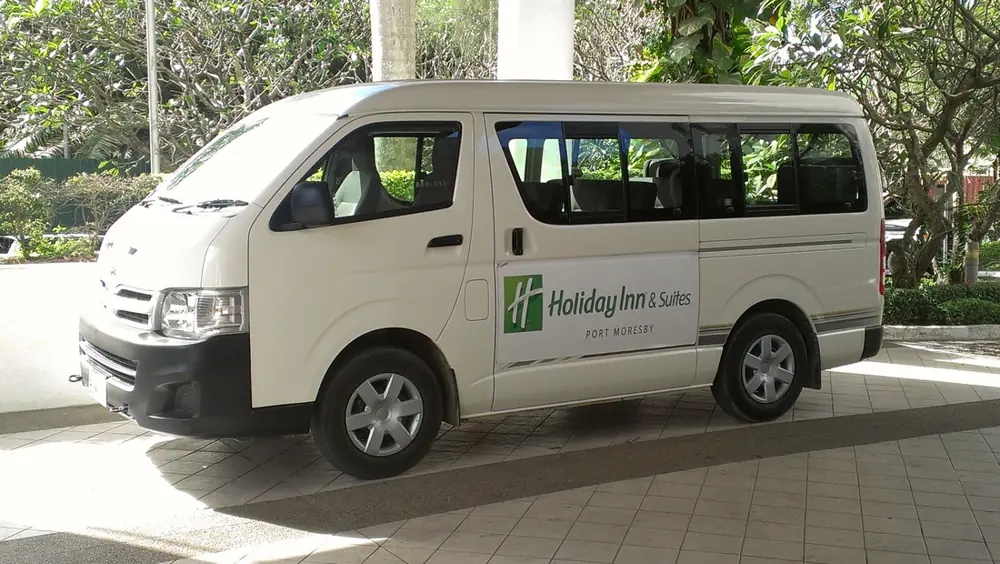
Hotel transfer van
Transfer van
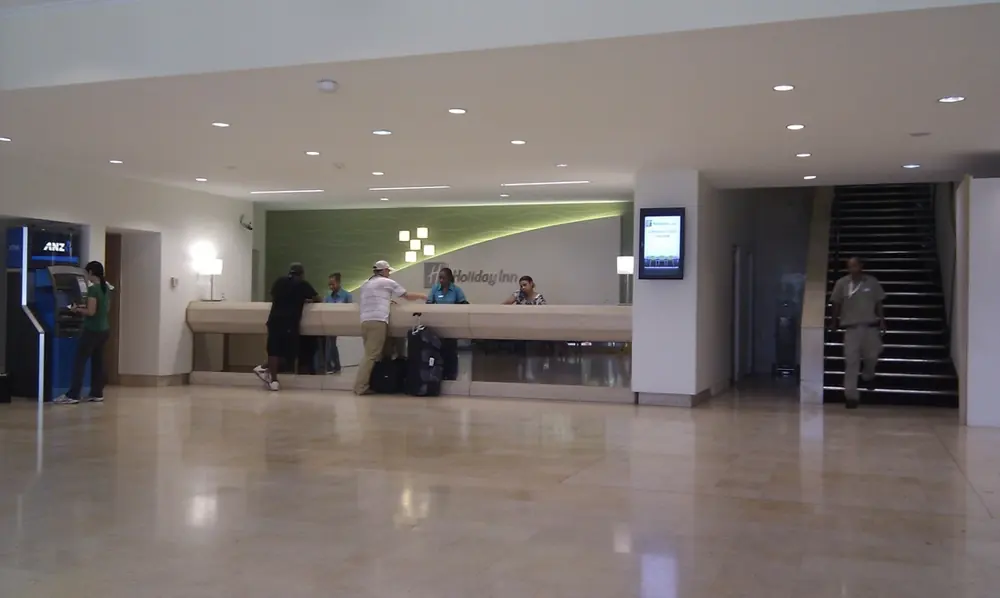
Hotel lobby
Lobby
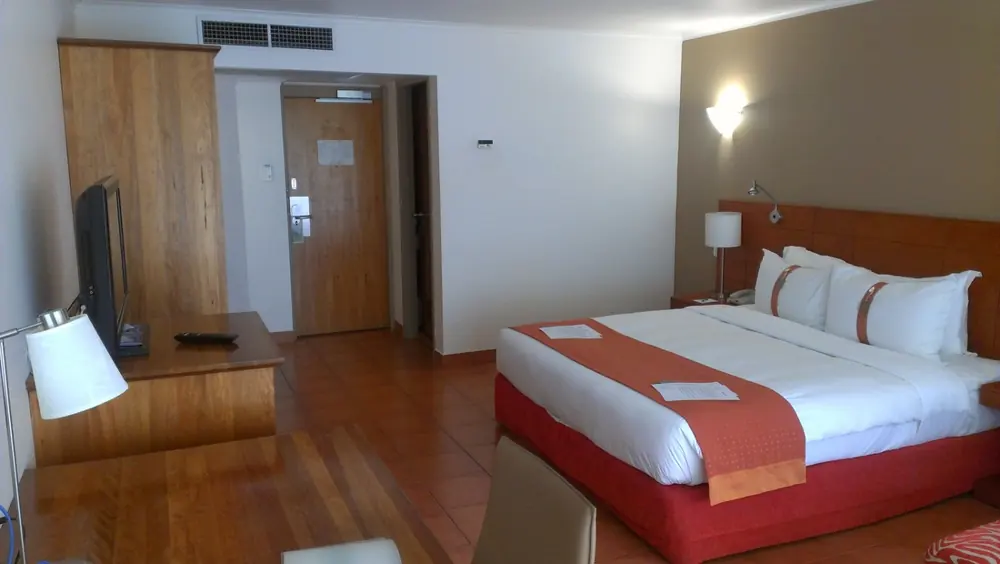
Hotel room
Room
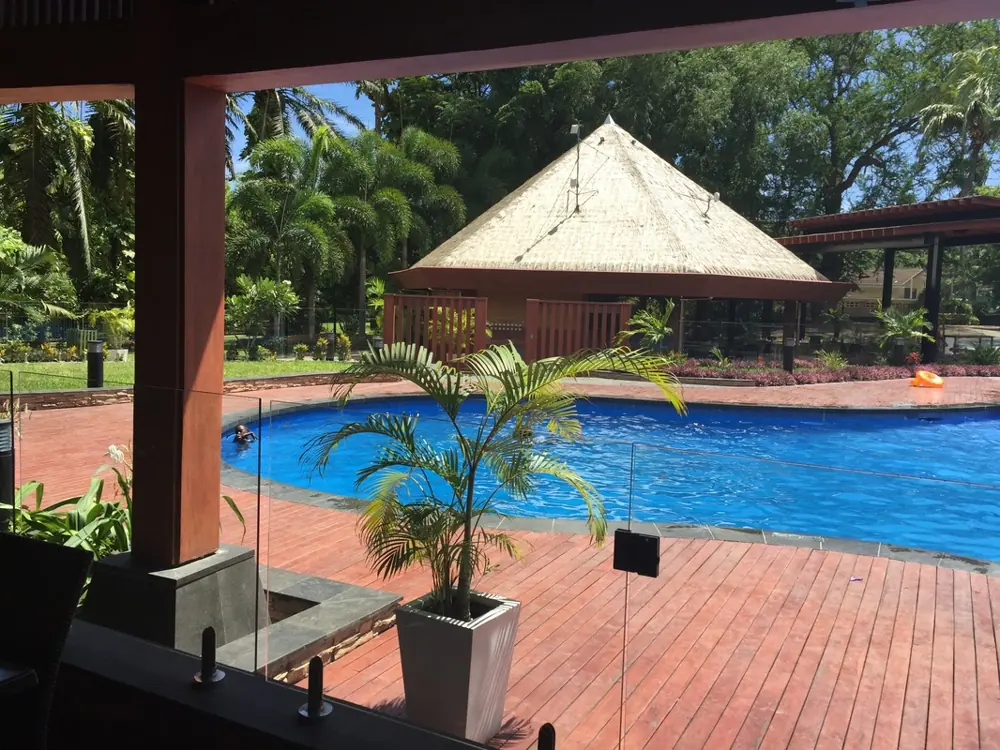
Hotel pool
Pool
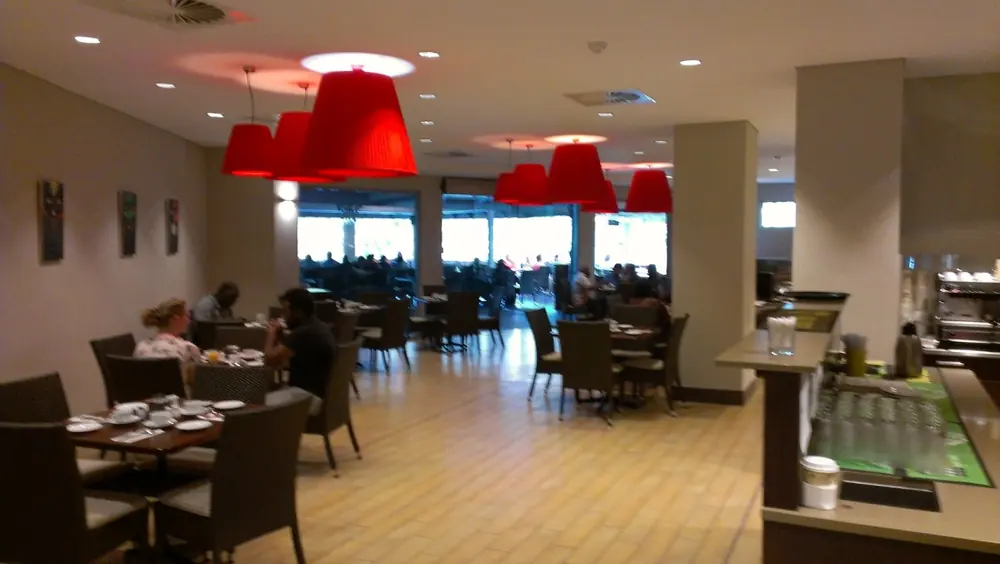
Restaurant
Restaurant
Bar
Bar
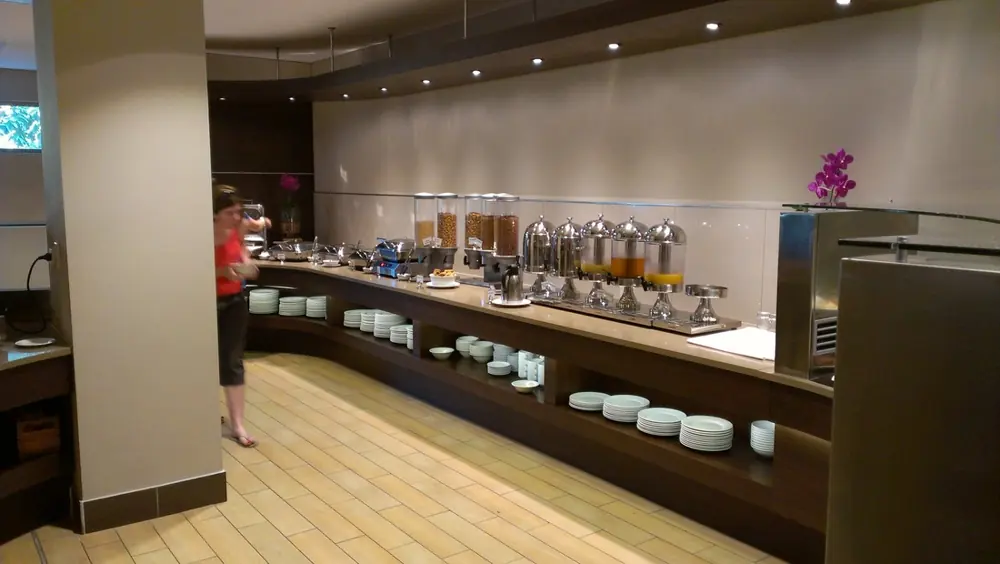
Breakfast
Breakfast
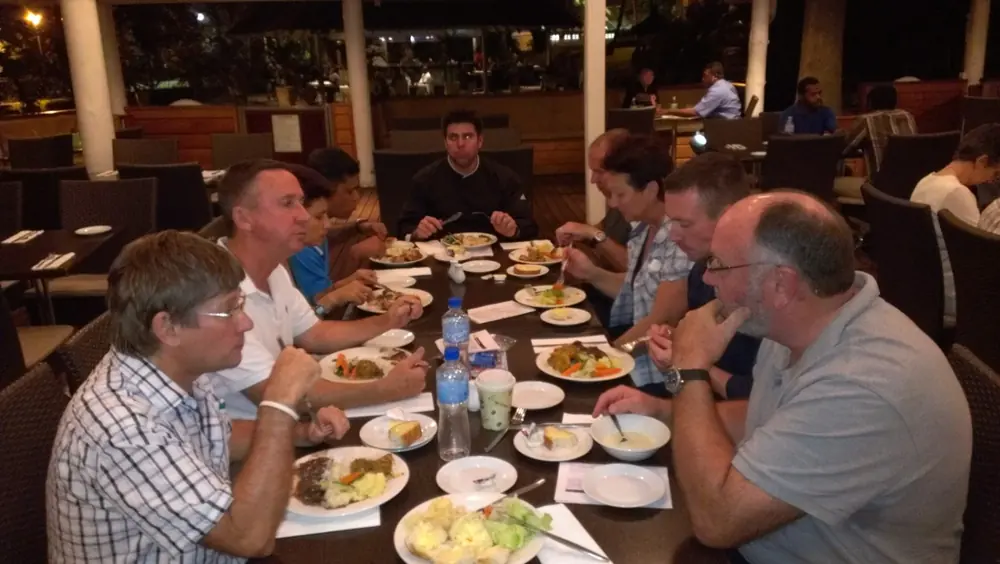
Dinner
Dinner
Staying in touch

Communications

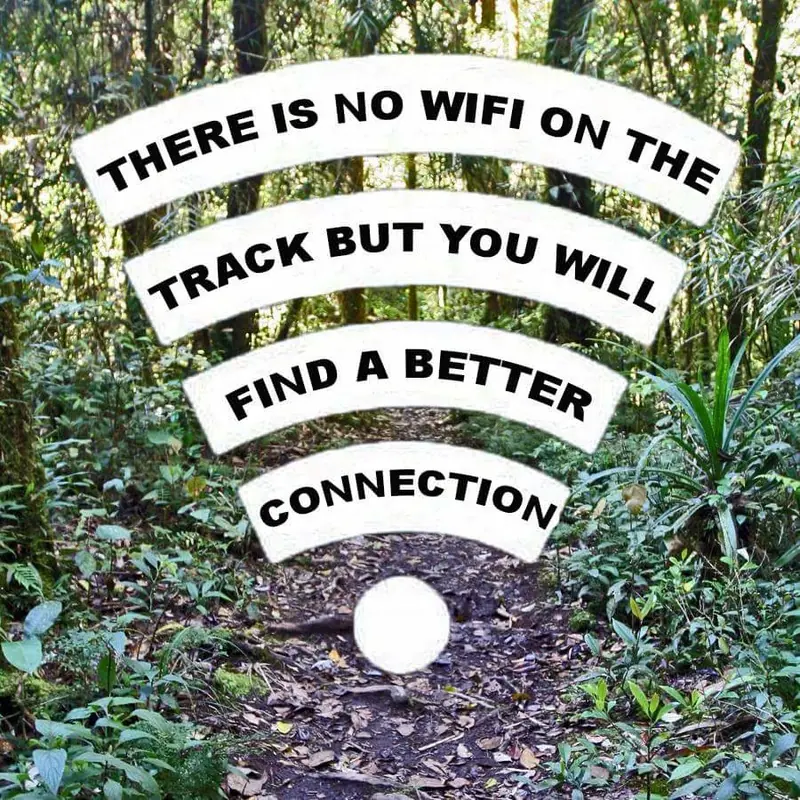
Expect to be out of contact on the Track. There is no mobile coverage in most areas, and your guides carry a satellite phone for emergencies. Let family and friends know you'll be off the grid, and give them the No Roads office number. Wi-Fi at the hotel can be slow or patchy, so don't rely on it for important tasks.

If you want local mobile coverage in Port Moresby, check with your provider about roaming before you go.

Satellite phone
Guides carry a satellite phone
No Wi-Fi sign
The night before

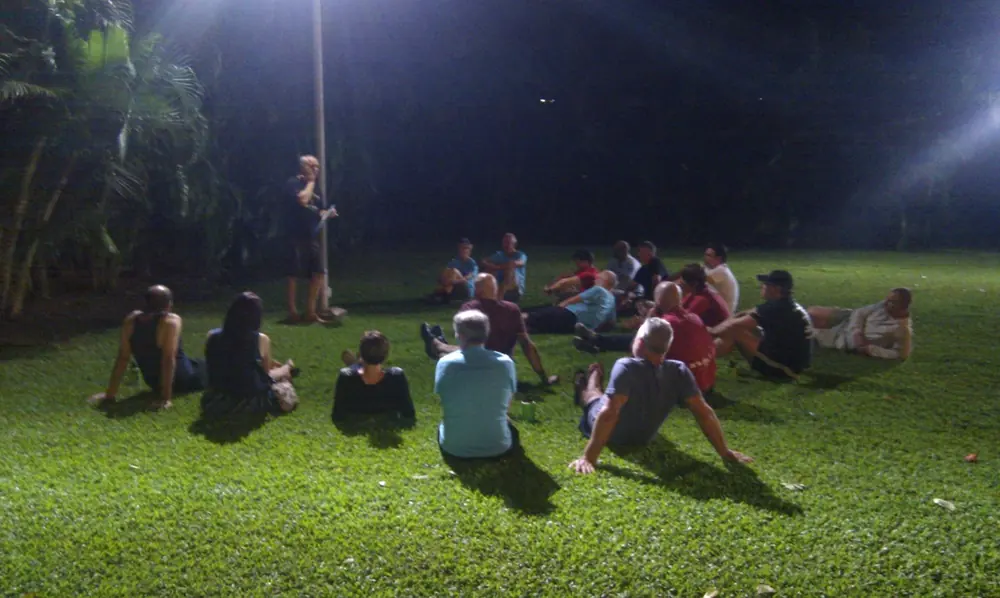
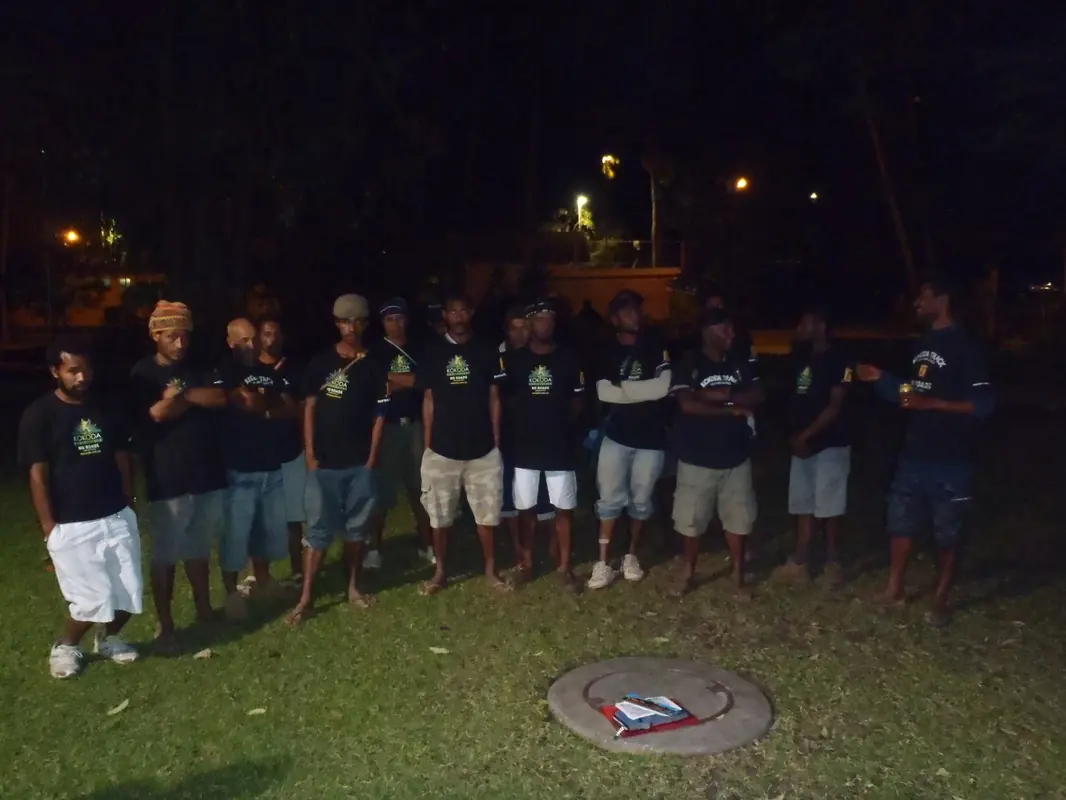
Pre-trek briefing

On the first evening your guide holds a pre-trek briefing, weighs and checks your pack, and discusses anything you don't need. This is the time to ask any remaining questions, hand over your insurance details, and sort anything you can leave behind in hotel storage. You will pick up any hired gear then.

Eat well, drink water, and get an early night. The next morning starts early.

Kokoda No Roads trek t-shirt
Trek t-shirt
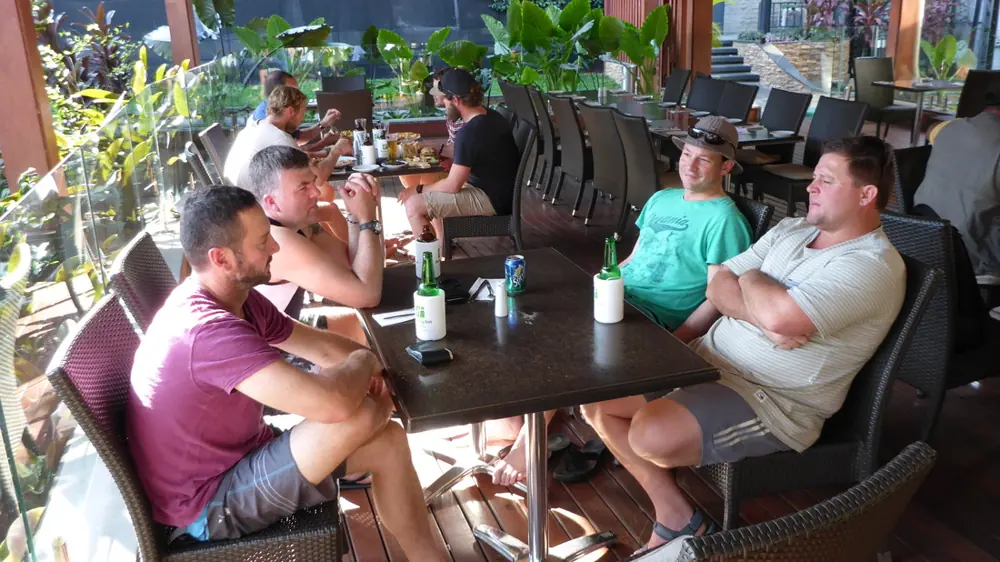
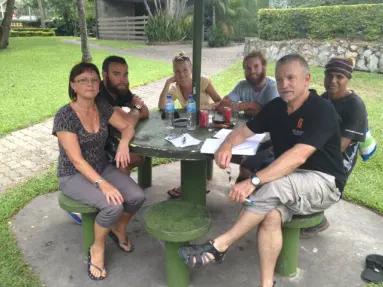
Trekkers around a table
Meeting your group
Trekkers gathered on the hotel lawn in the evening
An evening briefing on the lawn.
The local guide team lined up at night
Meeting the guide team.
Be respectful

Gifts and respect for villages

Please don't hand out sweets, balloons or trinkets to children along the Track. If you would like to give something, talk to your expedition guide first, who can channel donations in a way that helps whole communities. A tip for the local team at the end of the trek is the most direct way to say thank you. See the After the trek page.

Previous← ChecklistsNextOn the Track →