Preparation guide · 3 of 8

Fitness and training

How hard the Track really is, how to test yourself, and how to train for it.

Be realistic

How hard is the Kokoda Track?

It is as much mental as physical. Many trekkers train for six months, and at least three if you are already fit. The Track has long climbs and knee-wrecking descents, some lasting three to four hours, in heat and humidity, over many consecutive days. Some say it is 70% mental and 30% physical. Every foot placement needs thought, and there is no way to pull out short of an evacuation.

Walking the dog a few extra days a week won't do it. Aim to be at a level where climbing a steep hill doesn't leave you gasping. Trekkers who arrive well prepared enjoy the history, the people and the scenery. Those who don't spend the days just surviving.

Trekkers 55 and over are advised to consider a personal guide to carry the main pack. Any pack over about 12 kg (without water) is carrying too much.
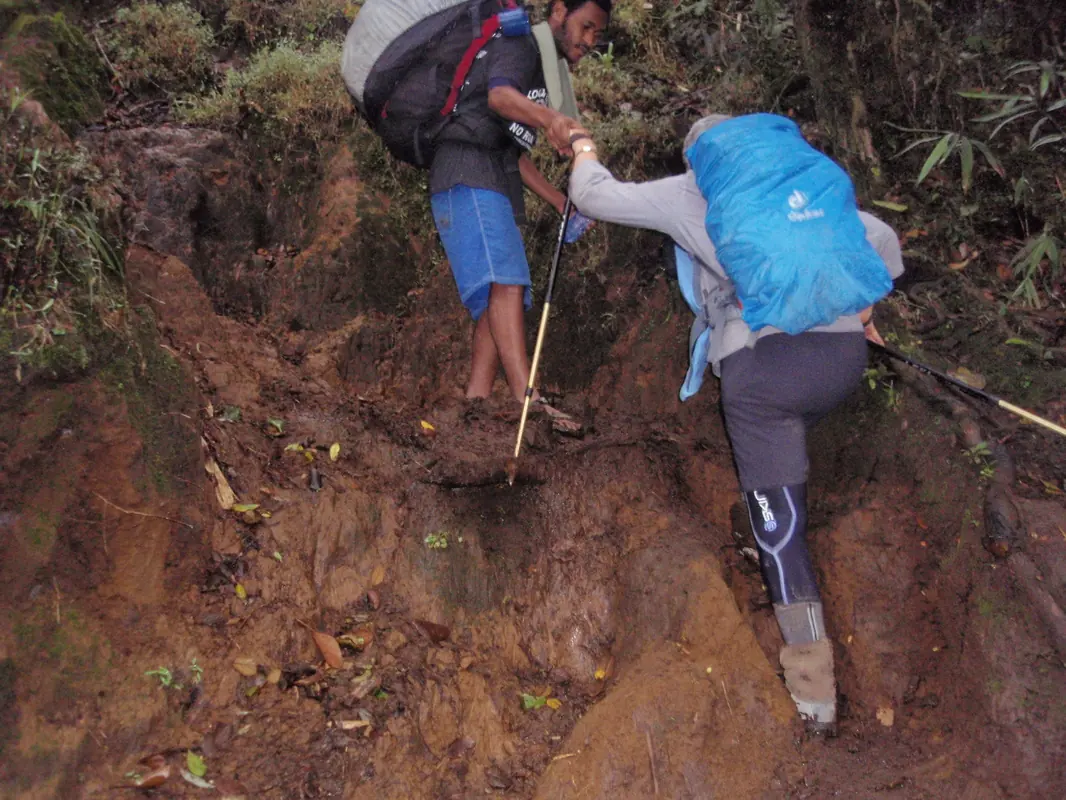
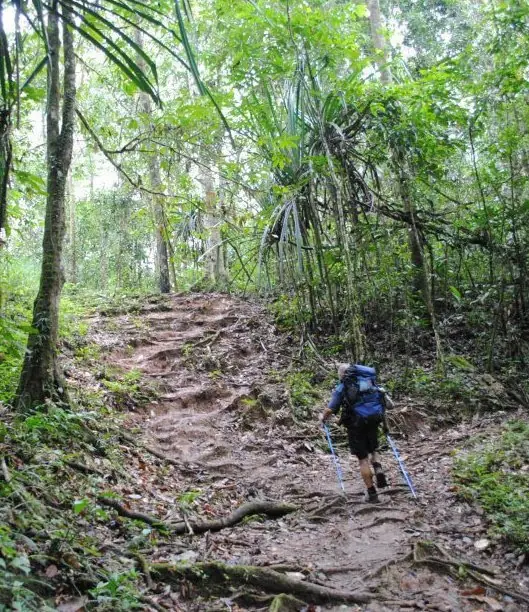
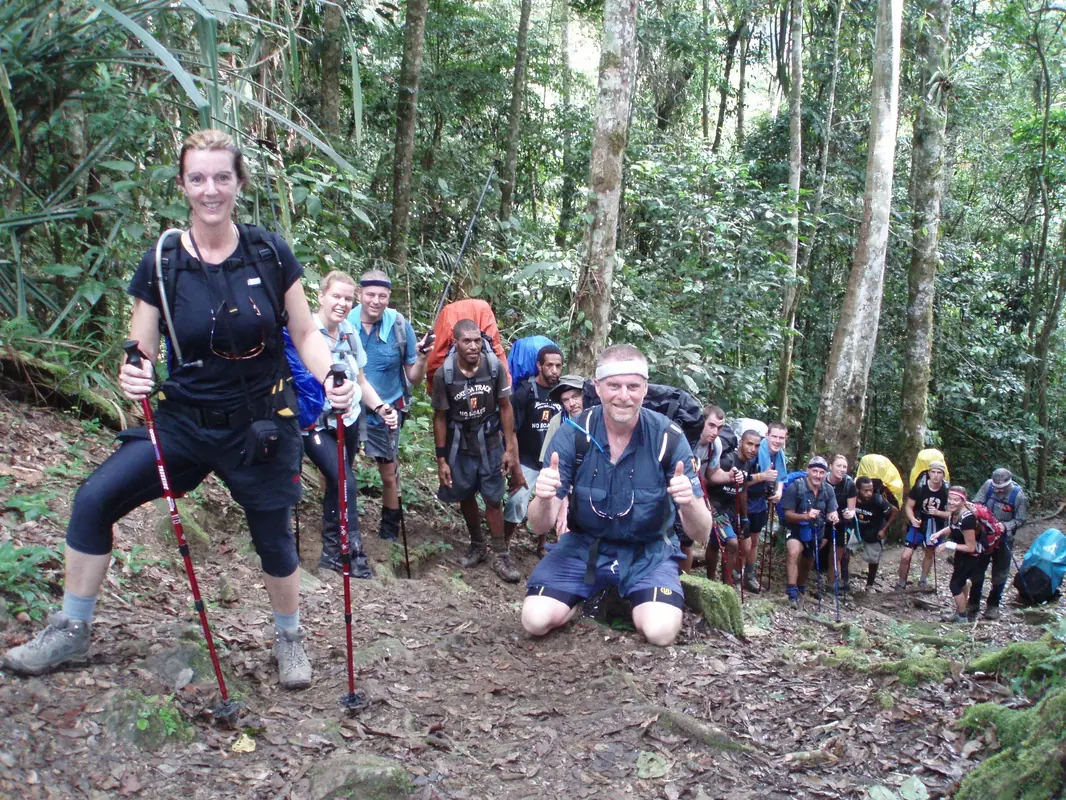
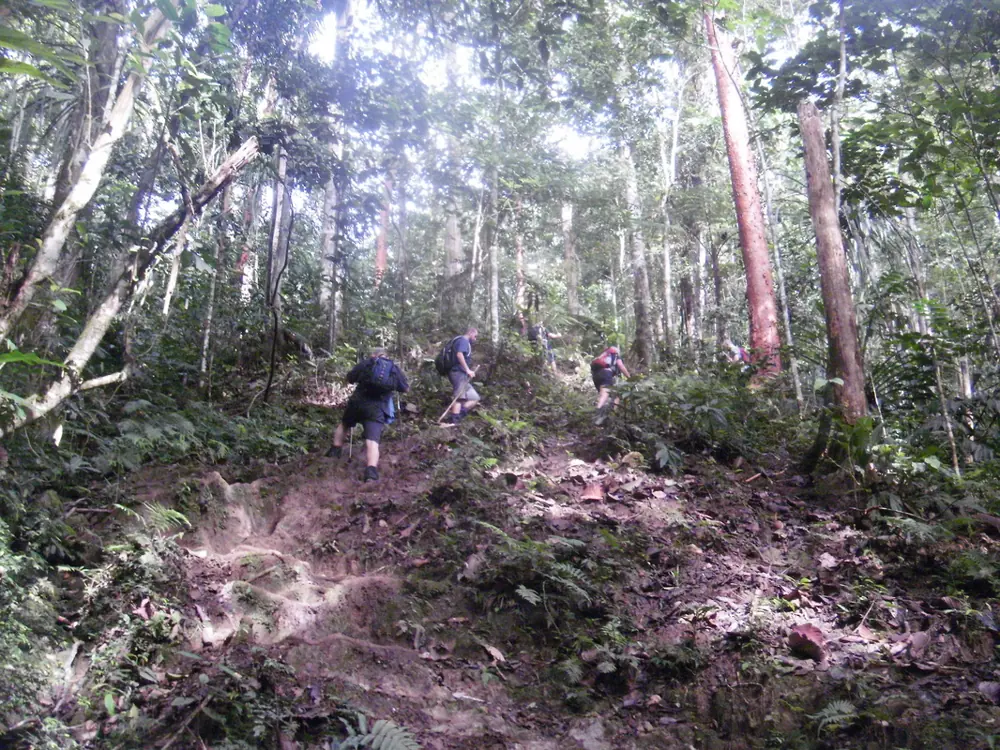
Trekkers climbing a muddy slope with trekking poles
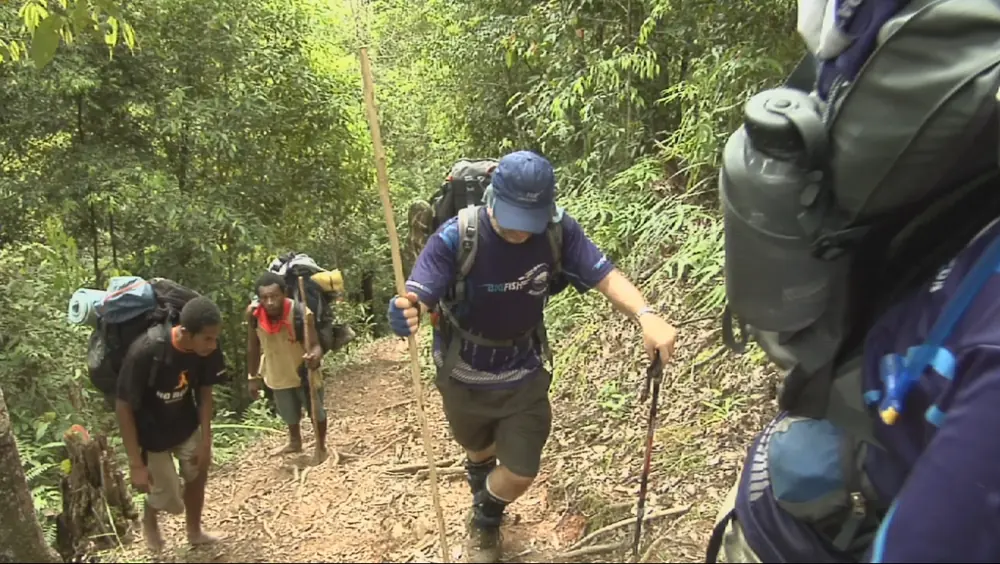
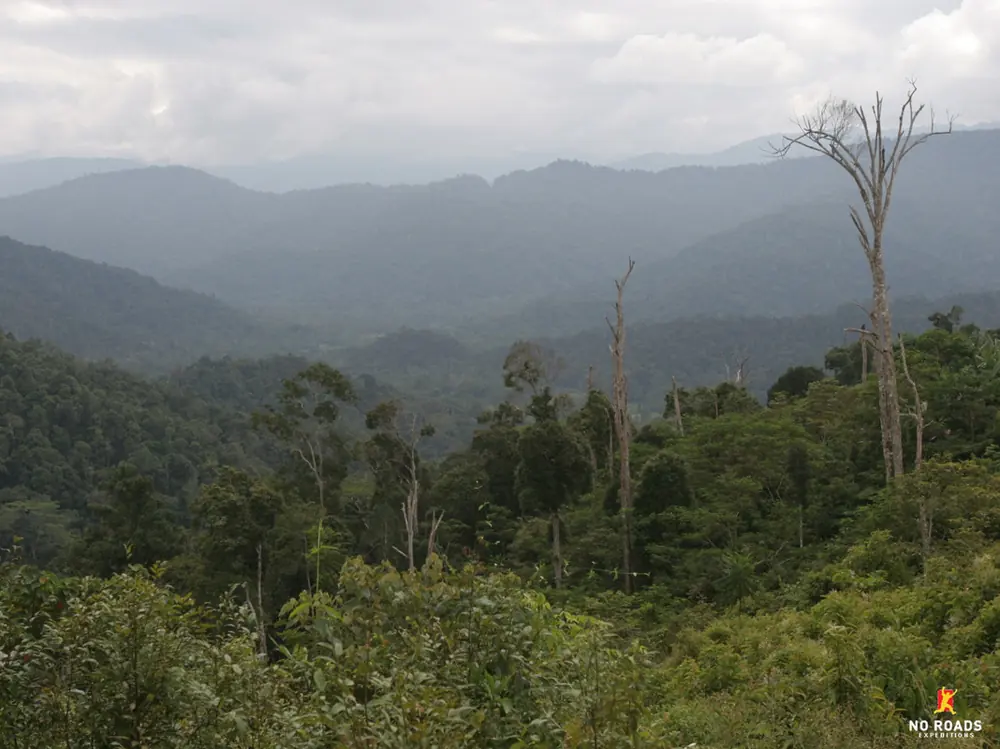
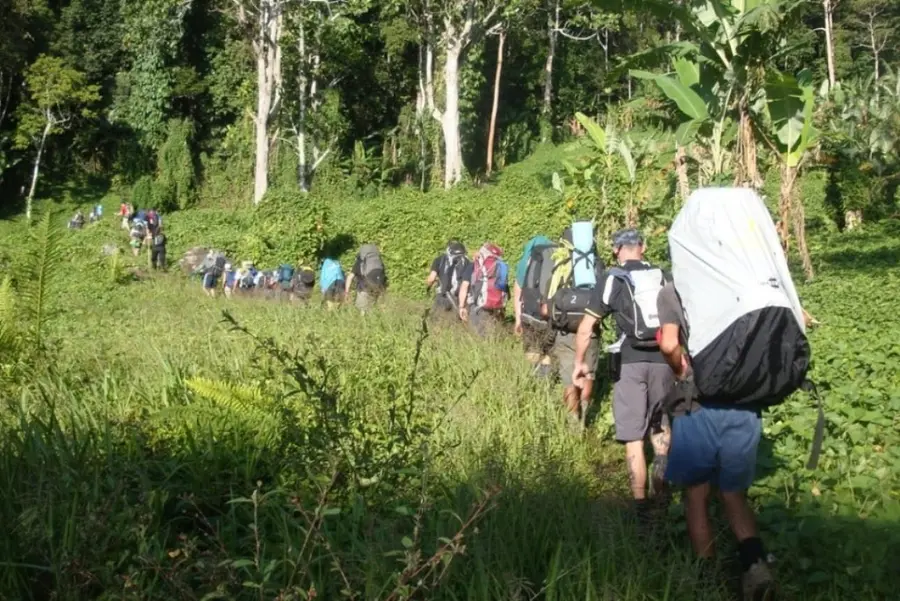
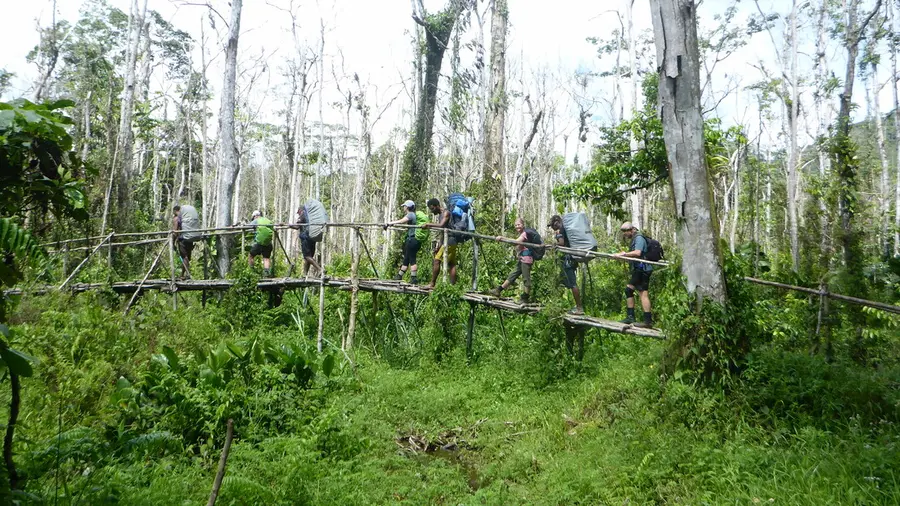
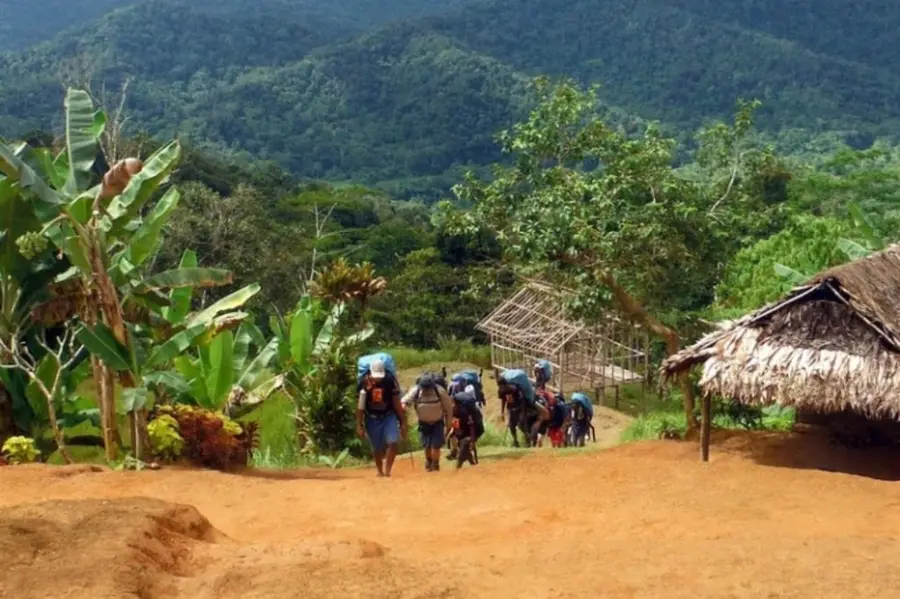
The Kokoda Track through forest Trekkers heading uphill Owen Stanley Range views
Know where you stand

Fitness self-assessment

Three simple tests give you a baseline before you begin training. Do them at the start, then again a few weeks before you fly, and watch the numbers climb. Take your time, warm up first, and stop if anything hurts. If you have any medical concerns, check with your doctor before testing.

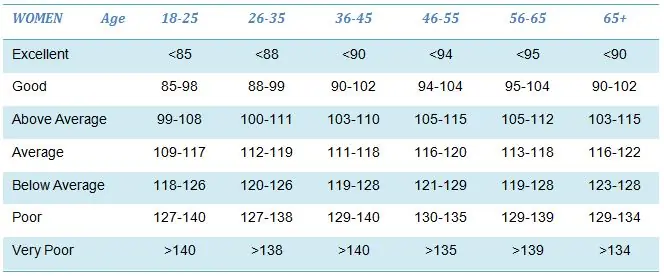
Test 1: Heart rate recovery (step test)

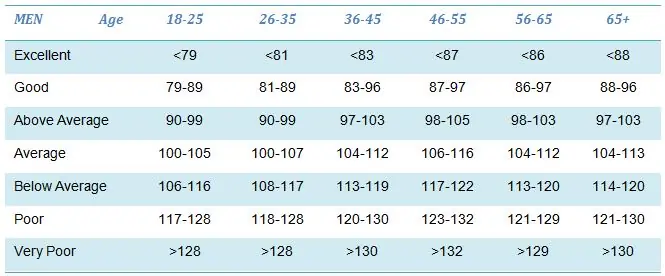
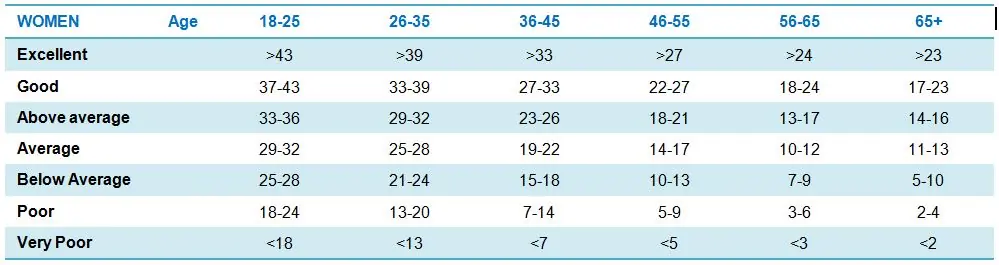
Step up and down on a sturdy step at a steady pace for three minutes, then sit and measure your pulse for one minute. The lower the number, the better your cardiovascular fitness. Compare your result with the table for your age and sex.

Heart rate recovery ratings for men by age
Men (click to enlarge)
Heart rate recovery ratings for women by age
Women (click to enlarge)
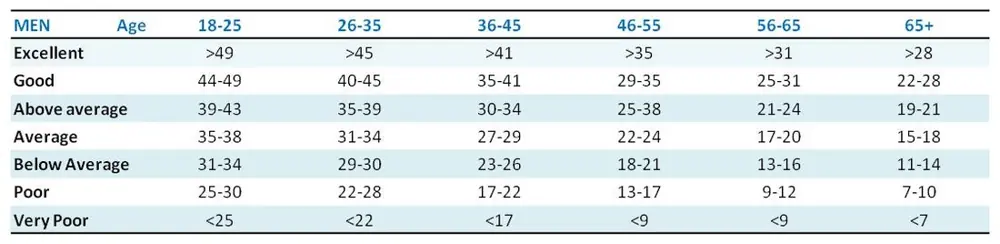
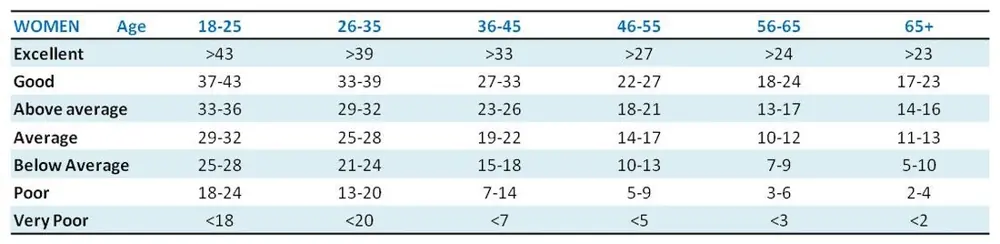
Test 2: Squats in one minute

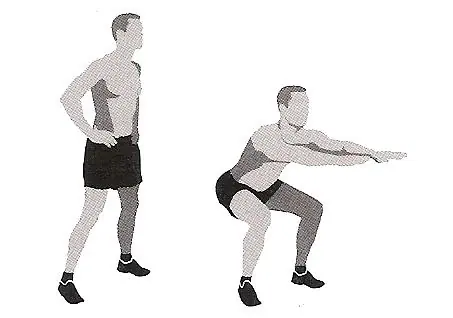
Stand with feet shoulder-width apart and squat to a comfortable depth, keeping your back straight and your knees behind your toes. Count how many good squats you can do in one minute.

Squat ratings for men by age
Men (click to enlarge)
Squat ratings for women by age
Women (click to enlarge)
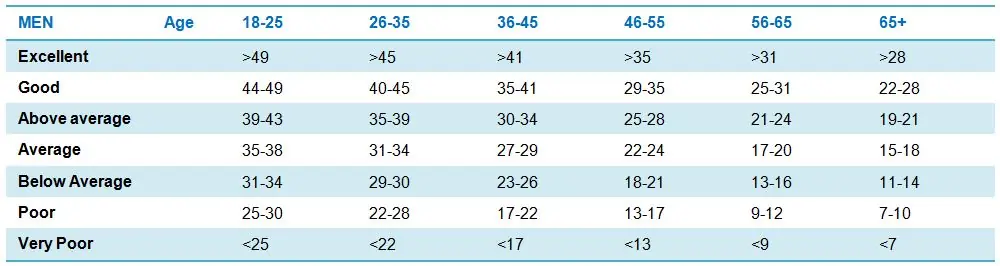
Test 3: Sit-ups in one minute

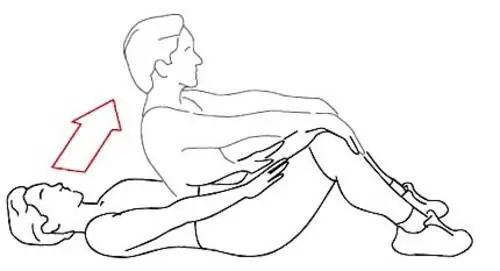
Lie on your back with knees bent and feet flat. Count how many full sit-ups you can complete in one minute with good form.

Sit-up ratings for men by age
Men (click to enlarge)
Sit-up ratings for women by age
Women (click to enlarge)

Aim for "average" or better across all three before you arrive. If you are well below that, start training earlier.

What to train

Training for the Track

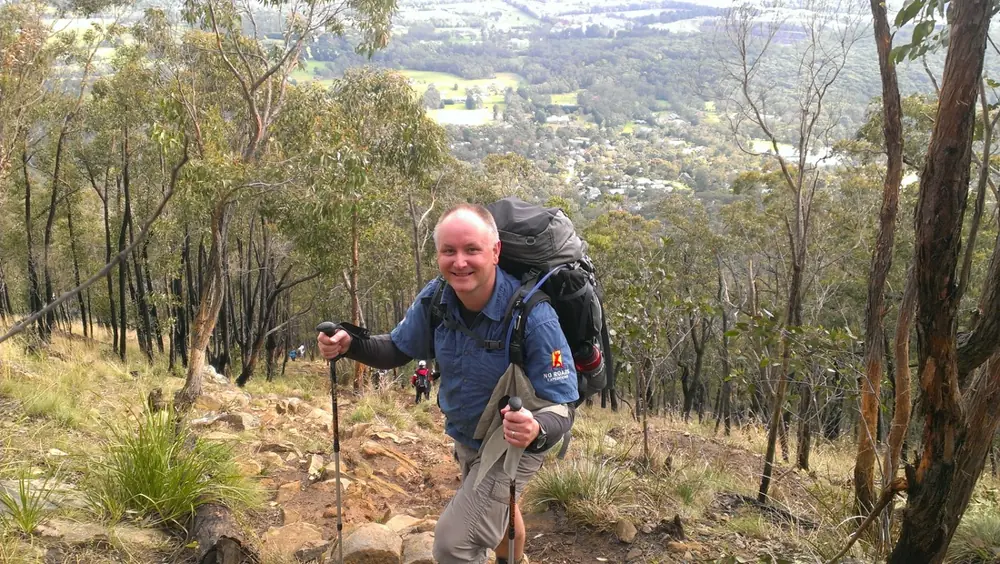
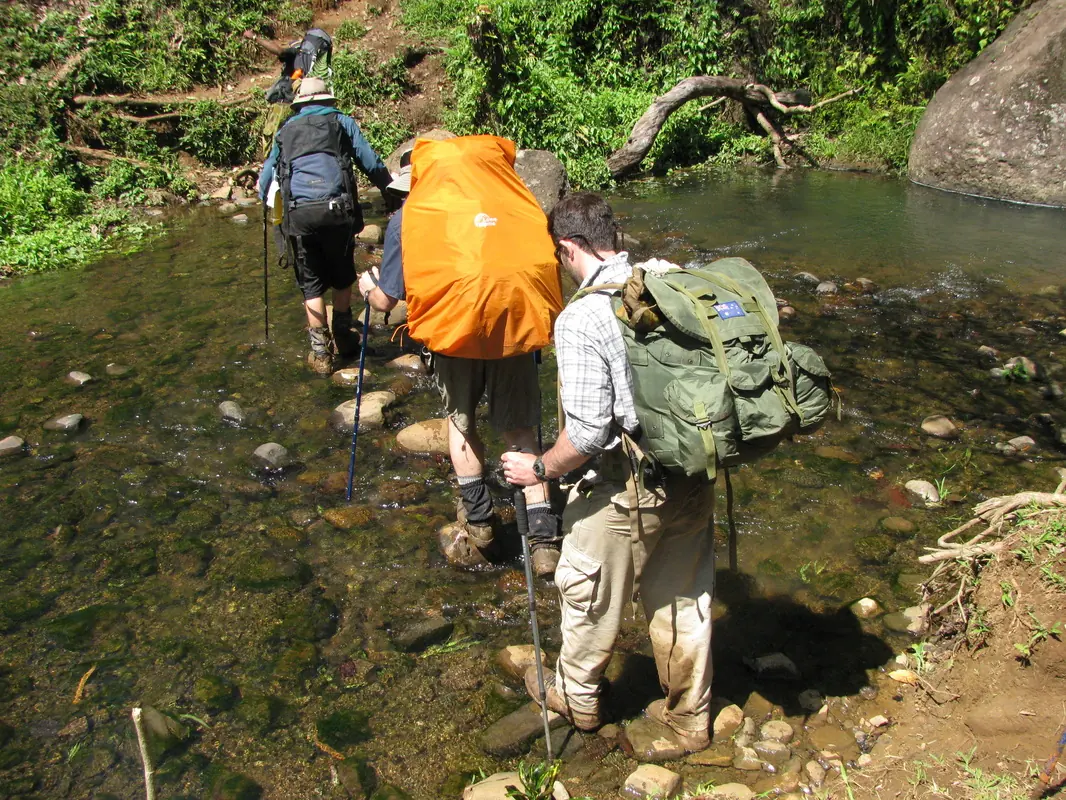
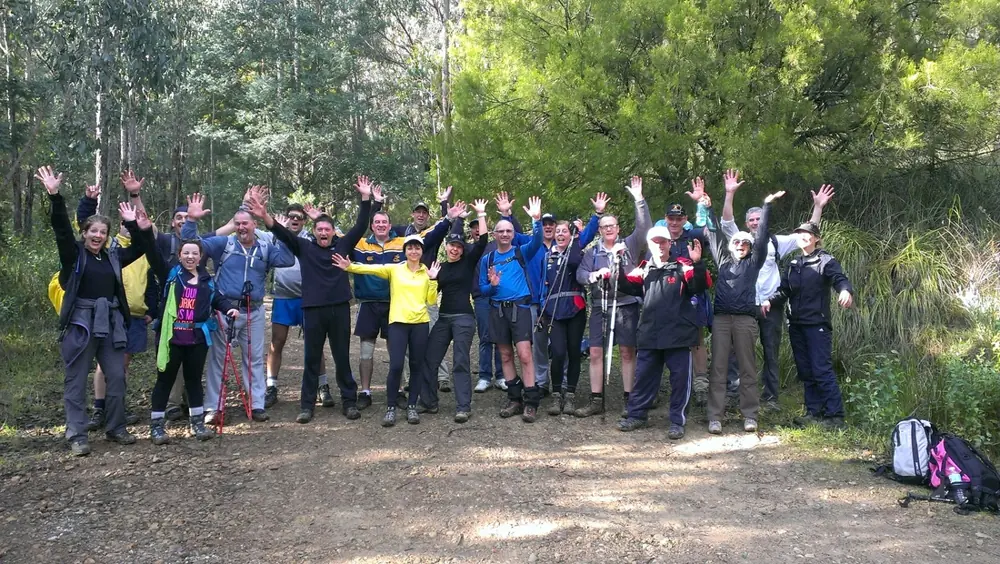
Group celebrating on a hill during training A hiker training with a pack Trekkers wading a creek with packs
A starting point

Example five-week build-up

This is a general outline for the final five weeks, assuming you already have a base of fitness from several months of regular training. Adjust it for your own level, and ask a trainer or your doctor if unsure. Rest days matter: you get stronger while recovering.

Week 1 · Foundations

  • MonStrength and core, 40 minutes
  • WedBrisk hill walk, 60 minutes, light pack
  • FriStairs or incline intervals, 30 minutes
  • SatLong walk, 2 hours with pack

Week 2 · Add load

  • MonStrength and core, 45 minutes
  • WedHill repeats, 60 minutes
  • FriStairs, loaded pack, 30 minutes
  • SatLong walk, 3 hours with pack

Week 3 · Build

  • MonStrength and core, 45 minutes
  • WedHills, loaded pack, 75 minutes
  • FriStairs, 40 minutes
  • Sat + SunBack-to-back walks: 3 hours then 2 hours

Week 4 · Peak

  • MonStrength and core, 45 minutes
  • WedHills, loaded pack, 90 minutes
  • FriEasy stairs, 30 minutes
  • Sat + SunBack-to-back: 4 hours then 3 hours, in your trek boots

Week 5 · Taper

  • MonLight strength and stretching
  • WedEasy walk, 45 minutes
  • FriRest, final gear check
  • SatShort easy walk, then rest and hydrate

Easing training back in the last few days is better than cramming. Tired legs on the Track help nobody.

Trekkers resting in the heat
Climate

Heat and humidity

The Track is hot and humid, especially in the lower sections, and your body needs time to adapt. If you live somewhere cool, build in some heat training: walk at warmer times of day, wear a little extra clothing on some sessions, or use a sauna a few times a week in the last weeks. Drink steadily rather than all at once, and add electrolytes.

Know the signs of heat illness: headache, dizziness, nausea, cramping, and stopping sweating. Tell your guide straight away. Rest in the shade and rehydrate before it gets serious.

Strength

Stretching and core exercises

Stretch after every session while your muscles are warm, and focus on calves, hamstrings, quads, hips and lower back. Core strength protects your back under a pack, and strong legs make the descents safer. A few simple exercises done consistently are enough.
Squat exercise
Squats
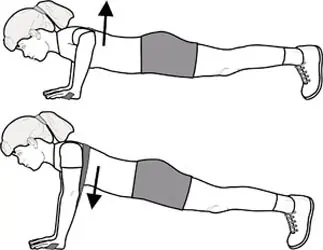
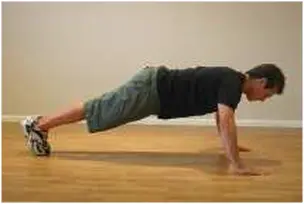
Push-up exercise
Push-ups
Sit-up exercise
Sit-ups
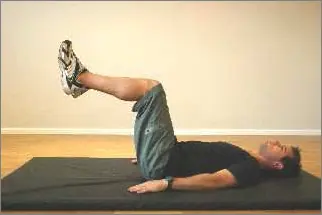
Leg raise exercise
Leg raises

Stretches

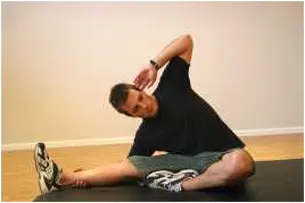
Seated side stretch
Seated side stretch
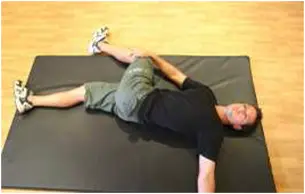
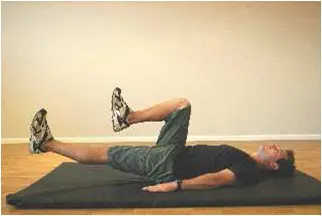
Lying hip and back stretch
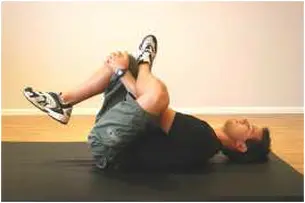
Knee hug
Knee hug
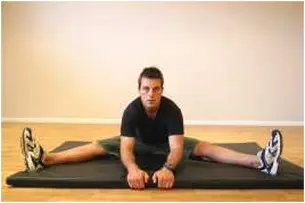
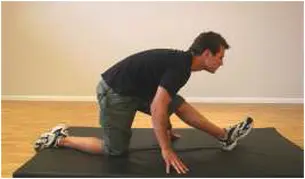
Straddle stretch
Straddle stretch
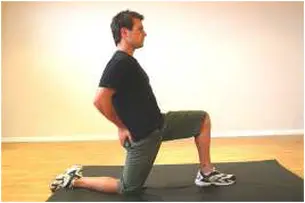
Lunge stretch
Lunge stretch
Hip stretch
Hip stretch
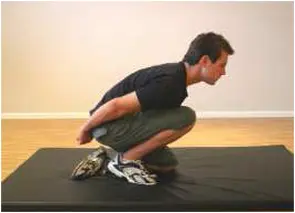
Deep squat hold
Deep squat hold
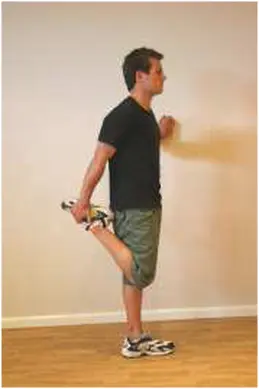
Standing quad stretch

Strength and core

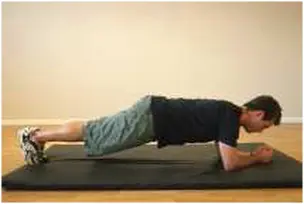
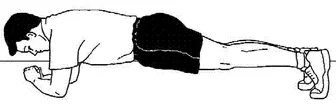
Plank
Plank
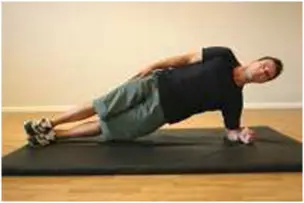
Side plank
Side plank
Plank with leg lift
Plank with leg lift
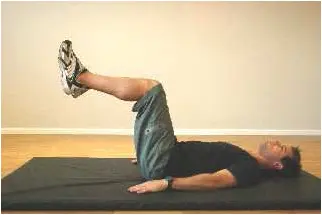
Leg lowers
Leg lowers
Leg lowers, bent knee
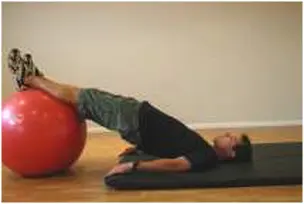
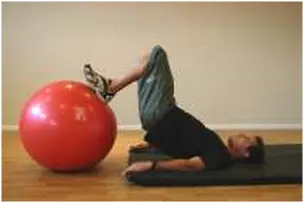
Bridge on a ball
Bridge on a ball
Single-leg bridge
Single-leg bridge
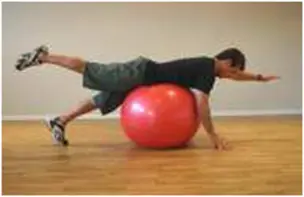
Back extension on a ball
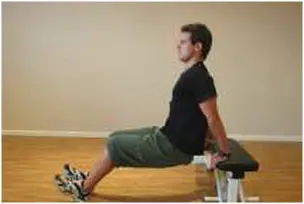
Bench dips
Bench dips

Legs for the descents

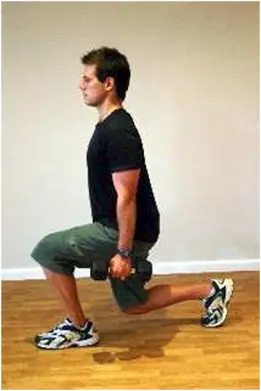
Lunge with weights
Lunge with weights
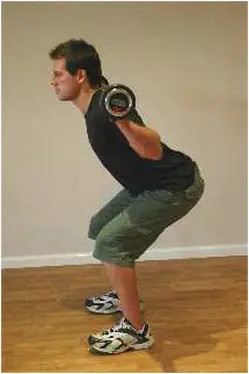
Squat with weights
Squat with weights
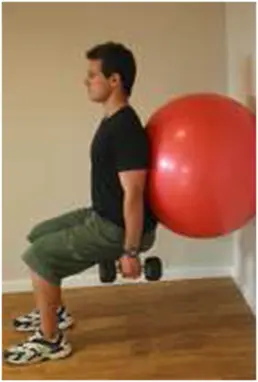
Ball wall squat
Ball wall squat
Wall sit
Wall sit
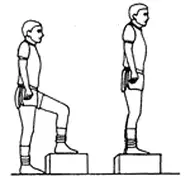
Step-ups
Step-ups
Plank form
Plank form

Do these exercises slowly with good form, and stop if anything hurts. If you are unsure, ask a qualified trainer or physiotherapist.
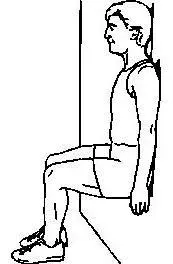
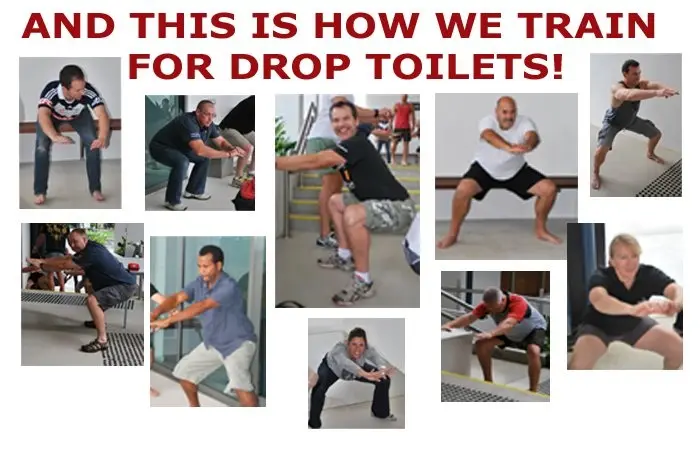
And this is how some trekkers train for drop toilets!
Practice

Training walks

Nothing prepares you like walking. Join a bushwalking group, find the steepest local hills, and gradually extend the distance. Walk with the pack you'll use, packed as you will pack it, and in the boots and socks you'll wear. Many trekkers train in groups, which is great for motivation.

Treat training walks as a dress rehearsal for gear, food and hydration. The things that annoy you in training will be much worse on day five.

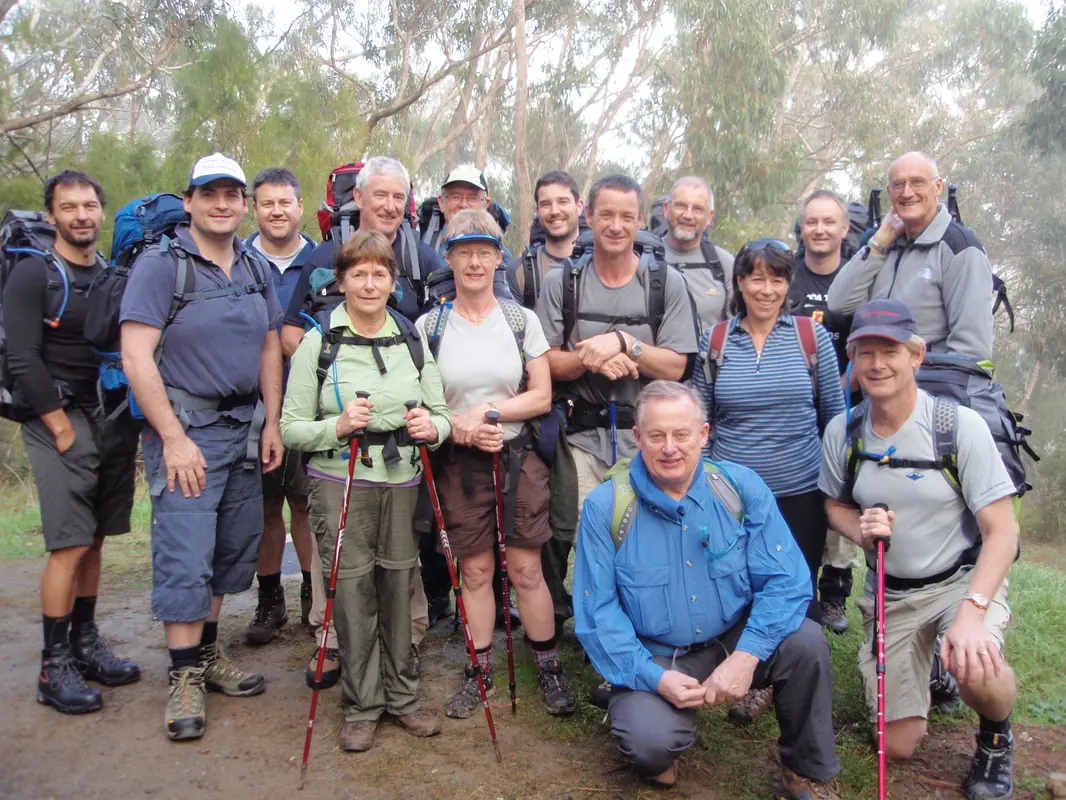
Group of trekkers on a training walk
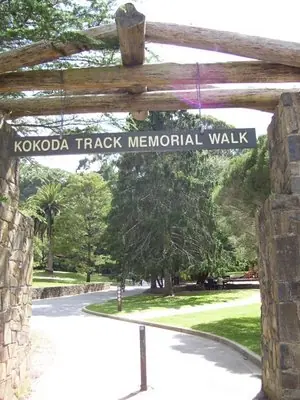
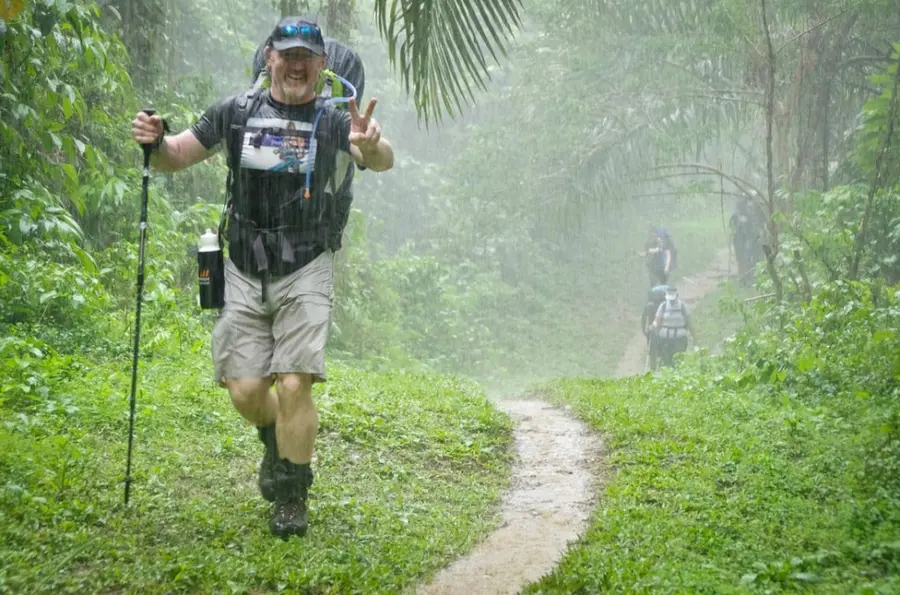
Group on a training walk Training in the forest A memorial walk
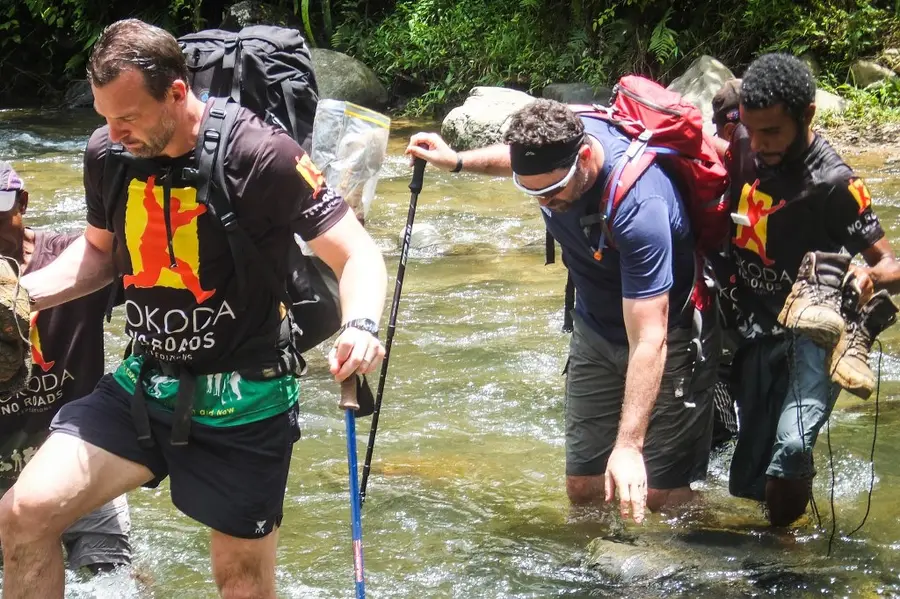
River crossings with the local team
Walking with poles
Walking with poles
Trekkers in single file
A bridge on the Track
Approaching a village
Previous← HealthNextGear →